
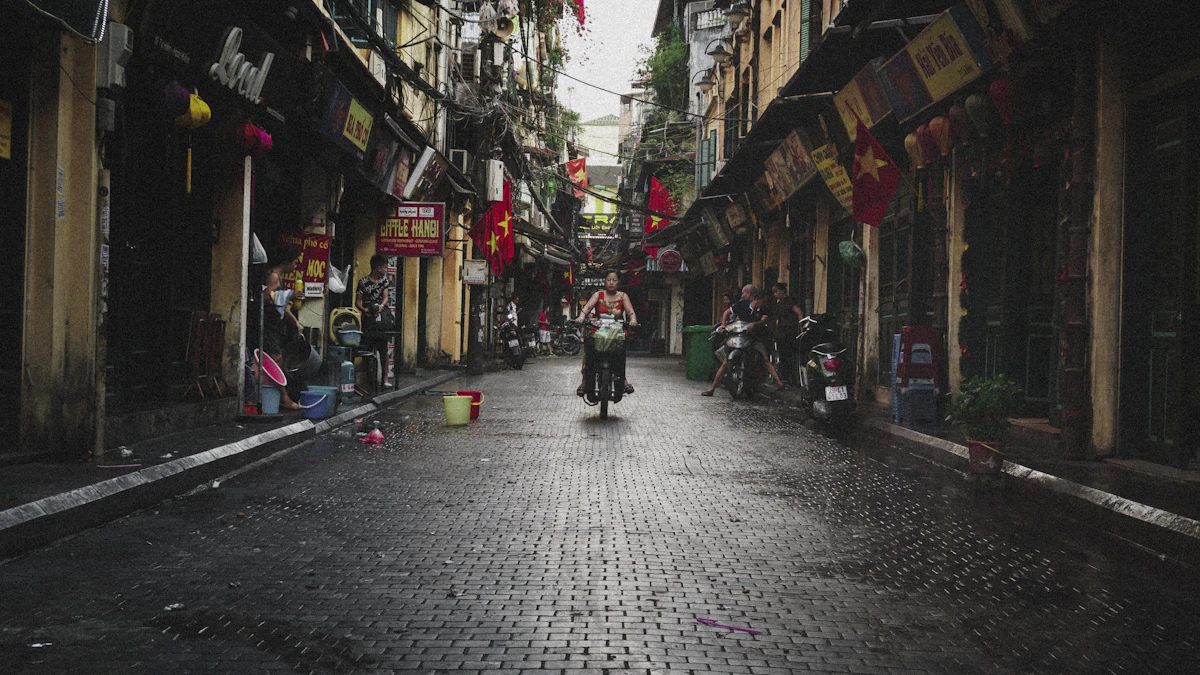
Renting a motorbike in Hanoi gives some visitors freedom to explore at their own pace, but not every traveller should ride one. Suitability depends on lawful riding credentials, real experience, the planned route, luggage, weather, parking and the willingness to handle a vehicle responsibly.
This guide asks who may benefit, who should select a driver or public transport instead, and what to check before agreeing to a rental. Being able to rent a vehicle is not proof of being legally permitted to ride it in Vietnam. Check prices and deposits in the separate cost guide, and confirm actual inventory and rental conditions directly with Mr Tú.
Start with suitability, not the advertised price
Table of contents23
A tempting daily rate is a poor reason to ignore basic conditions. Before considering a particular scooter, ask whether you hold riding credentials recognised in Vietnam for that vehicle, whether you have substantial experience, and whether the places you intend to visit require self-driving at all. The Old Quarter, for example, includes busy pedestrian areas and narrow streets, so a short sightseeing journey may involve more stops and parking difficulties than expected. When the licence question remains unresolved or the rider lacks confidence, walking, a bus or a lawful driver-operated service may provide a much better holiday.
Experienced riders may value the extra freedom
Travellers who routinely operate motorcycles understand throttle response, braking distance, mirrors and the importance of looking ahead at intersections. These skills make a rented scooter more plausible than it would be for a complete novice. Yet experience at home does not automatically transfer to unfamiliar road layouts and dense Hanoi traffic. Take time to observe local conditions, choose a familiar vehicle category and avoid routes that exceed your confidence. Even experienced riders must check credentials, physical fitness and the condition of the specific motorcycle. Skill is only one part of a responsible decision.
Legal permission comes before handing over keys
Foreign visitors should not assume that a car licence, a translation of a licence or any booklet labelled international driving permit automatically authorises motorbike riding in Vietnam. The law recognises specified licence arrangements, including qualifying 1968 Vienna Convention international permits together with a valid national licence for the relevant class. Some national arrangements are different. Verify the exact country, document, category and validity with competent authorities instead of treating a shop’s willingness to rent as legal advice. The legal source is Vietnam’s Law on Road Traffic Order and Safety, not a tourism advertisement.
A several-day itinerary can make rental more useful
Someone staying for a week and visiting numerous addresses may value a motorbike more than a traveller spending a single afternoon near their hotel. The ability to move between meals, markets, appointments and accommodations without ordering a new trip each time can be convenient. But a longer rental means more evenings safeguarding the vehicle, more parking arrangements and a return deadline that affects the last day. Count how often you really need motorised transport. If most sights are close together, other modes may still be more convenient and safer, even when the trip lasts many days.
Flexible departure times help certain travel styles
Photographers hoping to visit an area early, travellers with changing plans and people who dislike fixed transport schedules may enjoy choosing their own departure times. The motorbike remains subject to traffic restrictions, lawful parking and the opening hours of attractions. Self-driving also requires enough sleep and a clear mind; it is not an appropriate option after drinking alcohol or during severe fatigue. Independence is valuable only when the traveller is prepared to change plans when conditions worsen. A day of strong rain or unfamiliar roads may be a day to switch to another method.
Accommodation and secure parking matter greatly
Ask a hotel or homestay whether there is a lawful, secure space for a hired motorcycle, whether access is available overnight and whether any registration or parking charge applies. A comfortable room in a pedestrian-oriented street may have no practical motorcycle storage at all. Having to find distant overnight parking can undermine the convenience you expected. Do not block emergency exits, narrow shared passages or prohibited pavements. Vehicle security also affects contractual responsibilities. A traveller with predictable, safe storage is in a stronger position to consider rental than one who must improvise every evening.
Solo travellers should prepare backup plans
Moving independently can appeal to solo visitors who want to decide their itinerary without coordination. But they must also handle a puncture, lost phone connection, heavy rain or unexpected route change alone. Keep emergency contacts, accommodation details and the rental provider’s confirmed contact method accessible. Download an offline map if it helps, and stop somewhere safe before checking directions. Share your outline itinerary with a trusted person where practical. If uncertainty about traffic or legal permission is already causing stress, choosing a driver-operated ride is not a compromise; it may improve the entire trip.
Groups cannot share one person’s driving eligibility
Friends often discuss renting multiple scooters, but each individual who operates one must meet the applicable age, licensing and skill requirements. One confident rider cannot make everyone else legally qualified. Uneven experience is a particular problem in busy intersections: inexperienced group members may try to keep up instead of making safe decisions. Agree on meeting points and short, reasonable routes. Never encourage someone to ride faster to remain with the group. When some participants are unable or unwilling to drive lawfully, public transport, guided transport or cars with drivers may be more comfortable for everyone.
Families with children need a different calculation
Travelling with children changes the equation. Safety rules for passengers, helmets, tiredness, heat, luggage and the capacity of the specific vehicle all matter. A small rented scooter does not become a suitable family transport system simply because an adult can ride it. Families carrying a pushchair, large bags or child-care equipment often find a car with a driver easier to manage. Consider the entire group’s needs and the legal conditions for carrying passengers of different ages. A plan that suits an experienced solo rider may be wholly inappropriate for the same person travelling with young children.
Older visitors and health limitations
A visitor who has difficulty balancing, seeing clearly or maintaining concentration for long periods should not feel pressured to hire a motorbike to experience the city. Congested roads demand rapid observation and consistent control. Existing physical limitations or a medical issue that affects riding deserve careful consideration and professional guidance when appropriate. A comfortable walking itinerary with breaks or a booked vehicle with a driver can be enjoyable and much less tiring. There is no travel achievement attached to doing every journey independently. The most suitable transport is the one the traveller can use safely.
First-time riders should not learn in busy tourist streets
Hanoi streets should not be treated as a practice ground for someone operating a scooter for the first time. Smooth acceleration, controlled braking, turning, mirrors and road awareness need to be acquired in an appropriate learning environment, not in traffic filled with unfamiliar hazards. A smaller engine does not resolve the lack of practice, nor does a quick handover demonstration create legal eligibility. If you have never ridden, choose another transport method for this trip. Professional training in a suitable setting is a separate activity from collecting a rental bike for sightseeing.
Do not treat 50cc as a universal legal exemption
A vehicle advertised as 50cc has a specific technical classification, and the rider’s lawful eligibility depends on the actual machine, age and applicable rules. In particular, foreign tourists should be wary of advertisements suggesting that every visitor can ride any small motorcycle without checking documents. Low engine capacity does not eliminate the risk of collisions, unstable luggage or difficult traffic. Clarify the category and the legal requirements before choosing that model. If the provider cannot resolve a material legal question, do not take the vehicle onto public roads until it is confirmed.
Distinguish city exploration from longer routes
A short visit between Hanoi neighbourhoods is not equivalent to riding towards a distant province, mountain road or unfamiliar highway. Conditions, distance, fuel planning, breakdown arrangements and route legality vary considerably. The rental contract may also impose limits on permitted destinations, usage or assistance. Tell the provider what you actually plan to do and seek confirmation before departing. Do not assume any daily contract includes unlimited intercity mileage or free roadside recovery. For a longer journey with uncertain riding ability, scheduled transport or a lawful professional driver may be much more appropriate.
Luggage often determines the practical answer
A modest daypack can be manageable on the right vehicle, while rolling suitcases, camera equipment, camping gear and fragile items can turn a scooter trip into a difficult proposition. Never obstruct steering or attach loads in a way that threatens balance. Think about airport transfers, changing accommodation and the return journey, not just a short sightseeing loop. A taxi, airport transfer or other driver-operated vehicle may serve those trips better than a motorbike. The fact that a motorcycle can move independently does not imply it can safely carry every passenger and every piece of luggage.
Navigation requires preparation without distracted riding
If you choose to drive, prepare a simple route, check whether the roads are suitable and keep a reliable map available. Carry the address of your accommodation and the agreed rental contact details. Do not hold or operate a phone while riding; stop in a safe place to review directions. Misreading signs, entering restricted streets or running out of battery can add pressure. An unfamiliar visitor may underestimate the time needed to find legal turns and parking. When route finding feels overwhelming, a public transport journey or a driver who knows the area may make sightseeing more enjoyable.
Weather can change the best choice from day to day
A sunny photograph does not predict the actual conditions during a trip. Strong rain, flooded streets, extreme heat and poor visibility can turn an otherwise manageable motorbike route into a bad idea. Never ride through unknown floodwater to make use of rental time already purchased. Check forecasts, allow flexibility in the itinerary and identify another way to get back to the accommodation. Those staying only a few days may gain little from renting continuously during unsuitable weather. Being able to cancel or change a day’s transport plans is often more valuable than having a bike waiting outside.
Understand the agreement and handover
Before riding, ask what identification the shop needs, when the bike must be returned, how existing scratches are recorded and what happens after a breakdown. Clarify any deposit, parking, repairs, late-return terms and permitted destinations. Photograph the vehicle’s condition in a way both parties can verify. Do not assume free delivery, a replacement bike or round-the-clock roadside assistance unless these benefits are expressly confirmed. A contract should make responsibilities clear rather than leave important questions until the moment something goes wrong. Keep your own copy of the agreed terms and relevant contact numbers.
Cost matters, but it is a second-stage question
Once legal and practical suitability has been established, compare the complete cost of renting with taxis, buses, rail or short journeys on foot. Include quoted rental charges, fuel or electricity, lawful parking and any genuinely applicable extras. Treat a refundable deposit as money needed upfront rather than automatically as a final expense. Compare the same trip calendar and number of journeys for every option. For further detail, see the Hanoi visitor motorbike rental price guide. Request a current, model-specific quotation rather than relying on old prices online.
Walking may beat a motorbike in central areas
For clusters of nearby sightseeing locations, walking offers the freedom to pause for photographs, enter shops and change direction without searching for a parking space each time. This can be particularly useful in pedestrian-oriented parts of the Old Quarter and around attractions where direct vehicle access is limited. Walking is not the ideal answer for every distance, climate or accessibility need, but it should be evaluated before hiring a motorbike simply because the destination is on the map. A mix of walking and an occasional driver-operated journey may offer a more relaxed itinerary.
Public transport and ride-hailing are real alternatives
Hanoi’s buses and operating urban rail services can suit some itineraries, depending on the actual station, stops and operating schedule. Not every destination has a convenient connection, so check present route information rather than an old diagram. Motorbike taxis and cars with drivers can serve individual journeys without requiring the visitor to handle vehicle security or a rental return. Current fares and availability vary, so compare realistic quotations. Choosing public transport or a driver does not make a trip less adventurous; it can free time and attention for the city itself.
A six-question self-assessment before booking
Ask yourself: do I have documents recognised for this motorcycle class; can I operate the vehicle confidently in busy roads; do I have lawful parking where I stay; will my itinerary genuinely benefit from independent transport; is there a backup for severe weather or a breakdown; and do I fully understand the handover terms? A no or uncertainty on licensing and basic safety is a reason to stop and resolve that issue, not a score to average against other advantages. The remaining questions test convenience, reliability and value for the traveller’s actual plans.
Frequently asked questions for foreign visitors
Can a foreign tourist rent a bike? A shop’s ability to rent and the traveller’s legal right to ride are separate questions. Is an international permit enough? That depends on the issuing system, valid national document, permitted vehicle class and applicable Vietnamese rules. Is a 50cc bike automatically appropriate? No; verify classification and conditions. Should complete beginners rent for sightseeing? They should not learn in busy tourist traffic. Is a scooter essential for visiting the Old Quarter? No; many itineraries work well on foot. How much does a rental cost? Obtain a current quotation for the specific vehicle and period.
Final verdict: choose suitability before independence
Motorbike rental may fit a visitor who already rides competently, has recognised credentials for the precise vehicle, plans several genuine journeys, and has safe parking and realistic backup options. It is not the default for beginners, families with extensive luggage, tired riders or anyone whose documents are uncertain. Your health, the route, weather and contractual obligations matter as much as your desire for flexibility. Read Vietnam’s road traffic safety law and verify specific legal circumstances with competent authorities. Contact Mr Tú for current vehicles and terms, without treating the rental offer as a legal guarantee.
Compare your options: pros, cons and alternatives to renting a motorbike for Hanoi sightseeing.
If renting fits your trip, see Hanoi motorbike rental for visitors.

Comments