
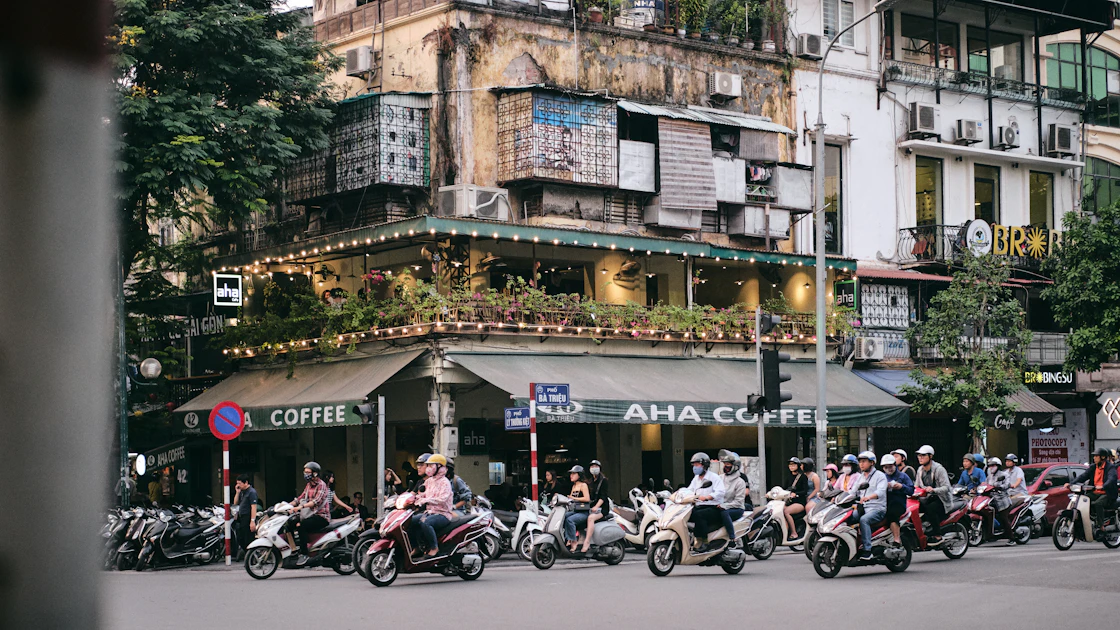
Motorbike rental can give foreign visitors and temporary residents in Hanoi independence, but eligibility is far more than finding a bike for hire. Whether it is a sensible choice depends on a recognised licence for the particular vehicle, practical riding experience, real journeys, overnight parking, weather exposure and the rental contract.
This guide considers students, working visitors, long-stay guests, solo travellers and families, then offers a way to decide without treating self-driving as the default. A commercial rental transaction is not proof of legal permission to ride. Current bike availability, rates and deposits at Mr Tú must be checked directly.
Legal driving eligibility is the first decision point
Table of contents23
Vietnam has specific rules for which domestic and foreign driving credentials have legal effect. A visitor should check the issuing country, motorcycle class, validity and applicable recognition route before choosing a bike. Under the road traffic safety law, a qualifying international driving permit issued under the 1968 Vienna Convention is used together with an appropriate, valid national licence; there are also distinct forms of international recognition. Any document marketed as an ‘international licence’ should not be accepted without checking its legal basis. The shop may rent a vehicle, but that does not itself establish the customer’s right to operate it on public roads.
Regular motorcycle riders are better placed than beginners
Someone who frequently rides a motorcycle is more likely to understand throttle control, proper braking, mirrors and the decisions needed when another vehicle turns unexpectedly. That background matters in Hanoi, where intersections and routes can feel unfamiliar. Yet experience in a quiet home town does not guarantee comfort in busy Vietnamese traffic. A rider must be realistic about their own skill and select a model with controls they understand. Avoid accepting a more powerful or unfamiliar bike simply because a preferred model is unavailable. Legal eligibility, physical fitness and a basic vehicle inspection still matter for a very experienced rider.
Long-stay foreign residents may have consistent transport needs
An international employee, student or temporary resident may need to travel repeatedly between accommodation, an office, classes and appointments. A rental can be appealing when that routine is frequent and predictable. Before committing to a long term, though, check where the bike will be kept every night, whether parking has a charge and how breakdowns will be handled. People who use transport only a few days a week may find separate booked trips easier. Compare realistic monthly use rather than dividing the hire quote by every calendar day. When a job or residence is still unsettled, a shorter initial commitment can preserve options.
Business visitors with multiple appointments may value independence
A working traveller visiting several offices or clients might benefit from leaving whenever a meeting finishes without booking a new ride. This freedom can matter when appointments are spread across districts. But every stop also requires lawful parking, protecting the rented vehicle and carrying work equipment safely. A motorbike may be unsuitable for large samples, fragile devices or heavy bags. Confirm that the intended use is permitted by the contract: private mobility is not automatically authorisation for commercial delivery work. A visitor attending one meeting and returning to a hotel might have a simpler day by using a service with a driver.
Independent explorers can design a more flexible sightseeing day
An eligible, confident visitor who wants to see several distant sights may appreciate deciding when to leave each attraction. A rented scooter can help them adapt to closing times, spontaneous meals and changing plans. Nevertheless, it does not bypass vehicle restrictions, eliminate crowds or create a parking place outside every landmark. If most attractions are clustered in the Old Quarter, a walking route may be more convenient. Mark the exact journeys that really require a motorcycle before paying for several rental days. Freedom is valuable when it reduces hassles, not when it introduces several new tasks at each stop.
A hotel with proper parking makes rental more practical
Ask the hotel or apartment whether motorcycles can be stored legally, whether access is allowed at the required hours and if there are any overnight charges. Accommodation in a narrow street may have no practical space, even if it appears convenient on the map. Repeatedly searching for somewhere to leave the bike can be tiring and may affect the return responsibilities under the agreement. Secure keys, any supplied documents and parking receipts. Do not obstruct shared entrances or emergency access. A visitor with safe parking at both their accommodation and common destinations has one less daily obstacle to using a rental bike.
Solo travellers need a recovery plan, not just a map
A solo visitor can change a route without consulting anyone, but must also deal alone with a puncture, sudden rain, lost phone signal or trouble finding the accommodation. Keep the hotel’s address, the provider’s confirmed contact details and an alternative travel method available. Download suitable maps beforehand where practical and stop in a safe place before reading new directions. Do not manipulate a phone while riding. If navigation in unfamiliar traffic is constantly stressful, a lawful service with a driver may provide a better sightseeing experience. Being independent does not mean personally driving every kilometre.
Groups with mixed riding experience should not insist on several bikes
If several international friends wish to hire motorcycles, each person who drives needs their own suitable legal qualifications and sufficient experience. One group member’s valid licence cannot cover everyone else. A novice trying to keep up with confident riders at a junction may make risky decisions. Agree on meeting points, reasonable distances and a rule against rushing to stay together. When some people cannot or do not want to drive legally, the group can use public transport or a vehicle with a driver rather than forcing a motorbike arrangement. A good group outing should work for its least experienced member.
Families travelling with children have different priorities
Child passengers, luggage, pushchairs and frequent breaks can turn a small motorcycle into an impractical family vehicle. Passenger limits, helmet requirements and other applicable safety rules need individual checking. Do not assume an experienced adult can carry everyone and every bag simply because renting multiple cars would be inconvenient. A driver-operated vehicle often allows a family to manage belongings and rest stops more easily. For airport transfers, especially, the amount of luggage may settle the choice. Evaluate what works for the whole household, not only the wish of one adult to experience Hanoi on a motorbike.
Physical limitations and fatigue can change suitability
A licence is necessary where required, but a person also needs the present ability to ride safely. Problems with balance, vision, concentration, reaction time or strong fatigue can make dense traffic especially demanding. An older visitor or someone affected by a health limitation may prefer a slower sightseeing schedule, walking with breaks, or transport with a driver. Seek professional advice when a medical concern affects fitness to drive. Past motorcycle experience does not mean a person is prepared under today’s conditions. Nobody needs to prove adventurousness by driving through unfamiliar junctions; comfort and safety are legitimate reasons to choose another method.
Complete beginners should not use tourist streets for lessons
The busy roads around central Hanoi are not an appropriate classroom for someone who has never operated a scooter. Accelerating smoothly, braking in an emergency, watching mirrors and making a controlled turn should be learned with proper instruction in a suitable environment. A low-capacity bike does not replace those skills or the legal conditions for its category. A quick demonstration at handover does not constitute safe training. For a first-time rider, walking, buses or a driver-operated service are the sensible choices during the visit. Learning to ride can be planned separately rather than combined with an improvised sightseeing rental.
The phrase 50cc does not settle every foreign visitor’s legal situation
A bike advertised as 50cc has particular technical characteristics and a legal classification. Age, actual vehicle type and applicable requirements must be checked for the person who will ride it. Foreign tourists should not interpret a broad claim of ‘no licence needed’ as individual legal advice or as confirmation that all their foreign documents are accepted. Small engines can still feel difficult in heavy traffic and may be unsuitable for longer journeys or large loads. Ask for the specific model’s papers and clarify relevant legal conditions before collecting it. Do not test an unresolved licensing question by riding on public roads.
City use and trips beyond Hanoi are not the same
A short trip among city districts differs from a long ride to a distant province or an unfamiliar mountain road. Traffic conditions, fatigue, weather, mechanical contingencies and route restrictions change considerably. A rental agreement may place limits on areas, mileage or assistance. Tell the provider the intended destinations and obtain confirmation before travelling. Never assume every daily or monthly package provides unrestricted intercity use or free rescue nationwide. If the route is long and riding skills or local knowledge are uncertain, a bus, train or properly operated transfer can be a better option. Tailor the plan to actual experience.
Weather exposure is a reason to have alternatives
Even a qualified, experienced rider should be prepared to abandon a journey during intense rain, flooding, poor visibility or extreme fatigue. Never ride into floodwater of unknown depth to make use of paid rental hours. International guests unfamiliar with the local climate may underestimate how tiring prolonged outdoor travel can be. Allow time to rest, protect electronics and identify another way back to accommodation. A raincoat can help during ordinary showers but cannot guarantee safety in difficult conditions. A choice that feels excellent on one clear morning may be less helpful when several travel days have unsuitable weather.
The amount and type of luggage can decide the result
A small backpack might fit the storage available on a suitable scooter, while rolling suitcases, camera equipment and work samples may be awkward or unsafe. Do not hang heavy bags from the handlebars or attach luggage where it obstructs controls. If the itinerary includes an airport transfer or moving hotels, another mode may be needed for those journeys. A rental can still make sense for light day trips while a taxi handles heavy luggage. Check the real storage, passenger capacity and limits of the precise bike, rather than relying on a generic image in a catalogue.
Signs, navigation and communication require preparation
Riding in an unfamiliar city means interpreting one-way restrictions, turning points, parking rules and directions. Save the accommodation address and emergency contact details before leaving. If a route becomes unclear, pull over legally and check a map rather than using a handheld phone while moving. Keeping the written name of a destination can help when asking for assistance across a language barrier. But if navigating and responding to traffic simultaneously feels overwhelming, use a driver who knows the route. The best choice should allow the visitor to appreciate the city instead of spending the entire outing worried about getting lost.
Identity checks and the bike handover deserve attention
Ask what identification, driving documents and contact details the rental company needs to verify. Do not assume an original passport must be surrendered without discussing the purpose, alternatives and written terms. Inspect tyres, brakes, lights, mirrors and the starting system. Photograph existing marks and record the supplied equipment. Clarify return time, security deposit and the procedure for reporting a breakdown. A commercial handover is distinct from official confirmation of legal driving eligibility. Both the documents and the bike’s roadworthiness must be satisfactory before someone rides away.
A realistic budget is part of the suitability decision
If a person can lawfully ride, compare the full cost of renting with the trips they actually need. Count confirmed rental fees, fuel or charging, parking and any expressly applicable delivery charges. Record a refundable security deposit separately from final spending, while allowing enough initial funds to provide it. If the visitor needs only two journeys, ride-hailing may involve less administration than collecting and returning a bike. Repeated independent trips can make rental more interesting, but not automatically cheaper. The foreigners’ rental costs and deposit guide explains this calculation without inventing prices.
First-time visitors can test a simple plan without taking risks
An experienced rider with recognised credentials who has just arrived in Hanoi can begin by planning a short, lawful route and checking where parking is possible. Inspect the actual bike before departure and ask about any unfamiliar controls. There is no obligation to ride far simply because a weekly rental was paid. If the traffic proves too stressful, stop self-driving and choose another means of transport. A sensible trial of local mobility is an assessment of confidence, not a challenge to travel the maximum distance. People without riding experience should not treat this suggestion as permission to learn in traffic.
Compare self-drive with not driving at all
Walking works well for clusters of nearby sights. Buses and operating urban rail may suit journeys where stops and schedules are convenient. A taxi or ride-hailing trip avoids the responsibility for overnight parking and vehicle return; an enclosed car also suits luggage and heavy rain. Costs differ according to actual routes and days, so avoid simplistic claims that one mode is always cheaper. A visitor without recognised legal credentials should remove self-drive motorbike rental from the viable options. Once eligibility is resolved, compare door-to-door time, financial commitments and the level of comfort each method actually provides.
A six-question check before asking for a bike
Ask whether your licence is recognised for that precise vehicle, whether you already ride confidently in dense traffic, whether lawful secure parking is available, whether your itinerary genuinely requires many independent journeys, whether you have backup transport for rain or breakdowns, and whether the contract and deposit are clear. An uncertain answer to legal eligibility or basic safety is a reason to stop and resolve it, not a minor negative point to offset against convenience. The other answers show whether the rental will simplify the trip or add work. Write down your actual arrangements rather than relying on advertising claims.
Frequently asked questions from foreign customers
Can foreign nationals hire motorcycles? A commercial hire is possible in some circumstances, but the right to operate the vehicle must be checked separately. Is a car-only licence enough? Do not assume so; vehicle classes and recognition rules matter. Is every international permit accepted? No, the issuing scheme and matching national licence must be considered. What if the rider has never used a scooter? Do not learn on busy tourist streets. Does a 50cc advertisement automatically remove legal concerns? No. Is renting for a week always worthwhile? Compare real usage, parking and the contract with other options.
Final guidance: eligibility and real need must align
A foreign visitor or resident may reasonably consider motorbike rental if they have properly recognised credentials for the proposed bike, real riding ability, a frequent transport need, lawful parking and reliable backup arrangements. Without an essential legal or safety condition, the suitable choice is not to self-drive until the issue is resolved. Do not let a low rental rate substitute for these checks. For the applicable legal framework, consult Vietnam’s 2026 consolidated road traffic safety law and seek guidance from competent authorities on individual licensing questions. Ask Mr Tú separately about the actual motorcycle, availability, deposit and contract.
Compare transport: Hanoi transport alternatives to renting a motorbike as a foreign visitor.
If renting seems worth it for your trip, our step-by-step guide to renting a motorbike in Hanoi covers what to prepare.

Comments