
Foreign visitors and temporary residents in Hanoi have more transport choices than renting a motorbike or ordering a taxi. Walking, city buses, operating urban rail, cycling, ride-hailing, a private driver and guided tours can all work in different situations.
This guide compares these options with self-drive motorbike rental using real travel considerations: lawful driving credentials, door-to-door time, luggage, weather, parking, upfront funds and the effort of managing a vehicle. None is automatically the cheapest or fastest. The actual rental terms, available bikes and deposits offered by Mr Tú must be confirmed for each booking.
Map your actual journeys before looking at a rental rate
Table of contents22
A foreigner staying three nights near the Old Quarter has a different problem from an employee commuting across the city for two months. Write down the hotel, destinations, expected departure times, number of travellers and amount of luggage. Mark which journeys are short enough to walk and which require transport. A visitor with only a few nearby sights might need a pair of booked rides rather than a rented bike kept overnight. Someone making many independent stops may value more flexibility. Still, a practical need never replaces the requirement for recognised riding credentials and experience. Choose from the journey first, not the advertising.
Self-drive rental: control of departures and stops
A properly qualified rider with a rented motorbike can leave at a chosen time, change the order of visits and pause between appointments without booking a new vehicle for each leg. That can be valuable to a long-stay visitor or a traveller seeing several districts. But the benefit also comes with duties to park legally, safeguard the bike and understand its controls. Consider collection time, refuelling, parking searches and return procedures as part of the total journey. Being able to stop anywhere in theory does not mean every street allows motorbike access or provides parking. Independence is useful only when it reduces the overall friction.
Self-drive rental: responsibilities not visible on the price board
The headline rental fee may not capture fuel, parking, delivery, late returns or the responsibilities described in the agreement. A refundable deposit is different from rent but still requires initial funds. The traveller must also manage weather, unfamiliar junctions, safe storage, and a possible breakdown. A shop handing over the keys does not mean Vietnamese law recognises the rider’s licence for that motorcycle class. Compare those responsibilities against the convenience of simply paying for a driver-operated ride. A good decision considers both cash outlay and how much attention the visitor wants to devote to transport instead of work or sightseeing.
Walking: often the simplest choice for clustered attractions
For several nearby streets, markets and cultural attractions in central Hanoi, walking can be more flexible than riding. The visitor can take photographs, enter a café and change direction without finding a new parking space. The limitations are heat, distance, heavy bags, uneven walking conditions and individual mobility needs. Check the real walking route and safe crossing points rather than assuming the shortest line on a map is comfortable. If a sightseeing day has only one longer connection, a single booked journey may fill that gap. Rental can introduce more administration than value in a concentrated pedestrian itinerary.
Buses: lower vehicle responsibility, more schedule planning
City buses let visitors travel without operating or storing a hired motorcycle. They can be useful when a stop is close to both the starting point and destination. But the real journey includes walking to the stop, waiting, possible changes and the last stretch on foot. Some travellers may find announcements or stop names difficult to follow at first. Look up current route information rather than relying on an old travel article. A bus is not automatically slower over the full journey, nor is it guaranteed to serve every sight conveniently. Combine it with walking or another ride for routes that need a practical final connection.
Urban rail: convenient only on an operating line that fits
An operating urban rail service can remove part of the traffic-driving task from a visitor’s day. Its usefulness depends on actual stations, opening times, connections and how far the destination lies from the station. Do not count proposed future rail lines as available services. Include the walk to the platform, waiting, transfer and final connection when comparing the journey with a rental scooter. A line that serves the required corridor may be efficient; one that requires a large detour might not help. Different days may call for different methods, so there is no need to choose the same vehicle for the entire stay.
Motorbike ride-hailing: two wheels without self-driving
A motorbike trip with a lawful professional rider is different from hiring a bike to operate yourself. The passenger does not need to manage a rental handover, keep the vehicle overnight or navigate from the handlebars. It may suit a solo traveller with light luggage going between a few destinations. However, fares and waiting times depend on the actual booking, and safe pickup points matter. A helmet and appropriate passenger safety should not be treated as optional. In heavy rain or with large bags, a car with a driver may be more suitable. Compare several actual journeys against the cost of renting for a whole day.
Taxi or booked car: luggage and weather advantages
A car with a driver may make airport transfers, hotel changes and visits during bad weather considerably easier. Travellers do not need to search for motorcycle parking or keep a rental secure after reaching the hotel. Families can also travel together rather than dividing into multiple motorcycles. The disadvantages can include waiting to be collected and needing a new booking for each leg. Narrow streets and traffic restrictions may mean the car cannot stop at the exact doorway. Price comparisons should count both outward and return trips. Greater convenience with luggage can be worth more than an unverified difference in daily transport cost.
Private driver for a group: compare the per-group reality
A group can use a private driver to coordinate visits and carry belongings together. It removes the need for every participant to be legally qualified and experienced on a motorcycle. But a private vehicle quotation should specify passenger count, route, hours, waiting time and what happens if plans change. An enclosed car may be unable to reach some smaller lanes. Compare the total for the whole group rather than equating one motorbike-taxi passenger with a multi-person car. Comfort and easier coordination are legitimate benefits, particularly for families and visitors with mixed travel abilities. Avoid guessing a fixed day rate without a written quote.
Guided visits: less navigation but usually a set programme
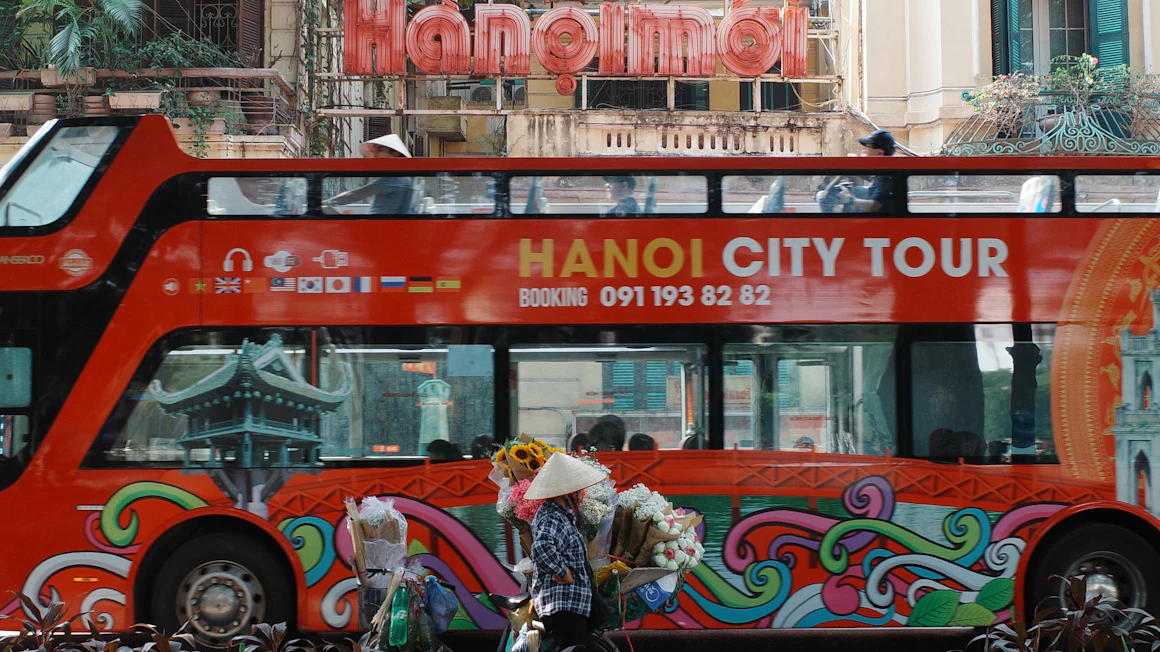
A guided tour can package transport, a route and local explanation in one arrangement. It may appeal to visitors unfamiliar with street layouts or anyone who prefers not to negotiate every leg. The trade-off is a schedule that may be less flexible than independent sightseeing. Check which admissions, meals, pickup points and cancellation conditions are included. If a tour expects the customer to drive a motorcycle personally, legal credentials are still relevant; calling it a guided tour does not make self-driving automatically permitted. For those prioritising sightseeing rather than operating machinery, a tour with a lawful driver may offer a good balance.
Bicycles: slower travel with its own route requirements
A bicycle can offer a different pace for active visitors with little luggage. It avoids many motorbike-related questions but still requires attention to road conditions, brakes, parking and traffic rules. Do not assume that cycling in every busy street is safe just because the vehicle is lighter. Evaluate the actual route, distance, temperature and rider’s fitness. An electric bicycle has further questions about battery range and charging arrangements. A short cycling outing may be enjoyable while a long or traffic-heavy commute may not be. Choose the route and vehicle together instead of treating every form of two-wheeled transport as interchangeable.
Electric bicycles and electric motorbikes are not identical
The everyday word electric can hide different technical and legal classes. Before choosing a vehicle, ask whether it is an electric bicycle, an electric motorcycle or another defined category, and check its rated characteristics and rules. Foreign users should be especially cautious of advertisements suggesting every electric two-wheeler can be driven without licence checks. Charging access and battery range can also limit a full-day itinerary. A specific small electric bicycle may suit some short journeys, but this says nothing about an unfamiliar powerful electric scooter. Resolve the classification, legal eligibility and safe operating practices before any self-drive arrangement.
Driving licences are an exclusion test, not a price feature
Vietnam’s consolidated Law on Road Traffic Order and Safety describes the licences that are valid for road use, including applicable international permits under the 1968 Vienna Convention together with a valid national licence for the corresponding vehicle category, and certain recognition arrangements. A car-only licence or a document simply sold as an international permit should not automatically be regarded as valid for motorcycles. Confirm the issuing scheme and class with competent authorities. If the foreign visitor is not lawfully entitled to ride the offered motorcycle, eliminate self-drive rental from the available options. No financial saving or convenience advantage can make that option acceptable.
Compare financial totals for the same itinerary
Build one scenario with the same three sightseeing days or commuting week for every method. On the rental side, enter the actual quote, energy, parking, delivery and relevant conditional charges. Record any refundable deposit separately as money tied up upfront, not automatically consumed. For buses and rail, count the tickets, transfers and last-mile connection. For ride-hailing, include both outward and return bookings. For a private driver, use the quotation for the group size and waiting time. Do not copy a price from another rental business and present it as Mr Tú’s. Only like-for-like calculations identify the more affordable plan.
Compare complete door-to-door travel time
An apparently faster motorcycle trip can lose time during pickup, refuelling, searching for parking and walking from the parking area to the attraction. Bus and rail time includes access to a stop, waiting and transfers. A booked ride includes the time needed to request and meet the driver. Foreign guests unfamiliar with signs may also need extra time to navigate. Use the same departure hour and addresses for a fair test, because weather and commuting periods can change the outcome. What matters is time left for the purpose of the trip, whether work or sightseeing, rather than the theoretical speed of the vehicle.
Short tourist stays and recurring commutes favour different plans
A temporary resident making the same commute almost daily may value a weekly or monthly rental after confirming legal eligibility and secure parking. A visitor staying two days near the Old Quarter might have little to gain from a continuous motorcycle hire. A traveller taking a train or bus to another province should check the rental’s permitted area rather than assume that a city bike may go everywhere. Calculate genuine days of use and assess the responsibility of storing the vehicle over the whole contract. Sometimes a short initial rental makes sense as a planning decision for an already experienced, properly licensed rider.
Children, luggage and people with different abilities
A group with young children, heavy suitcases or travellers who need frequent rest breaks may find a driver-operated car more manageable than several rented motorcycles. Passenger and helmet requirements still have to be respected for any two-wheeled journey. A capable adult rider cannot assume that one bike safely carries the whole family and all their belongings. Those who do not have recognised credentials must not be pressured to drive. A hybrid plan can handle airport luggage with a car and nearby sightseeing on foot. The objective is transport that works for the entire group, not the maximum number of independently operated vehicles.
Weather, fatigue and breakdowns can reverse a good decision
A rental bike might feel convenient on a dry morning and burdensome during intense rain, flooding or fatigue in the afternoon. Never ride through floodwater of unknown depth merely to use prepaid rental hours. Have a way to return to the accommodation without the motorcycle if necessary. Electric vehicles require attention to battery condition and charging; petrol vehicles need a clear fuel and breakdown procedure. Driver-operated services also have varying availability, so allow additional time when conditions deteriorate. Planning for a change of mode is a sign of a realistic itinerary. A transport choice should remain safe when circumstances change.
Language and identity checks add practical work to rentals
Foreign visitors may have to clarify identity documents, passport handling, rental deposits, return times and the meaning of contractual exclusions in another language. Ask questions in a written message with exact dates, pickup address, proposed route and vehicle category. Do not automatically surrender an original passport because an unrelated travel guide suggests that practice. Photograph the bike’s condition and list of provided equipment at handover. When terms remain unclear, a short driver-operated journey may involve less transaction risk than a multi-day hire. A lower advertised rental fee does not necessarily mean less effort or a more transparent deal.
A decision matrix for five common types of visitor
A sightseeing guest staying around nearby historic streets should examine walking first. A commuter whose office is reached by a current bus or rail service can compare that route’s full duration. A solo visitor with light luggage and occasional journeys may prefer booked rides. A family or group with bags may value a car. An experienced, legally qualified rider with numerous scattered destinations and secure parking can assess a rental. Guided excursions can suit anyone who would rather follow an organised route. These are starting points, not universal rules; weather, accessibility, traffic and the true itinerary may change the answer.
Seven practical questions before booking a motorbike
Is your driving documentation recognised in Vietnam for the specific vehicle? Can you operate it confidently in busy traffic? Is lawful secure parking available? How many journeys genuinely need independent transport? Will children or bags make the vehicle impractical? Is there a backup for rain, a breakdown or fatigue? Are the rental price, refundable deposit and all conditional fees clearly written? If the legal or basic safety question remains uncertain, resolve it before pursuing rental. The other questions help decide whether self-driving will simplify the stay or create tasks that other transport could avoid.
Conclusion: a flexible itinerary can use more than one mode
A rental motorbike can be useful for a legally qualified, experienced foreigner with frequent independent journeys, but the rider assumes parking, navigation, traffic, weather and contractual responsibilities. Walking, buses, operating rail, cycling, taxis, driver-operated motorbikes and guided visits each work better for certain journeys. Read the foreigner motorbike rental suitability guide before deciding to self-drive. For current licence rules, see Vietnam’s official consolidated road safety law. Then ask Mr Tú about the actual bike, deposit and agreement; do not treat general examples as confirmed shop prices.
If a motorbike is still your choice, follow our guide on how to rent a motorbike in Hanoi as a visitor.

Comments