
When you pick up a rental motorbike, check the brakes, tyres, lights, horn, mirrors and fuel level, photograph the bike from every side, make sure your helmet fits and read the written agreement before you ride away. With Mr Tú, you do this together at hand-over; this checklist shows what to look for at each step.
Why the check matters
Table of contents21
A careful check at hand-over protects both sides. You ride off on a bike that is safe to ride, and its condition is on record, so there is no disagreement later about a scratch that was already there. It takes a few minutes, and they are well spent.
Before you arrive
- Get the details confirmed. Mr Tú confirms the bike, price, deposit, documents, and the hand-over time and place before anything is agreed.
- Bring your documents. A passport or other identity document, plus a licence that is valid in Vietnam for motorcycles; for most visitors, that means a national licence together with an International Driving Permit issued under the 1968 Vienna Convention. Our guide on how to rent a motorbike in Hanoi explains the rules.
- Bring the deposit in the form you agreed when you booked.
- Choose daylight if you can. Scratches and worn tyres are much easier to spot.
- Charge your phone. You will use it for photos.
The hand-over check, step by step
1. Walk around the bike and take photos
Start with the whole bike. Walk slowly around it and photograph it from the front, the back and both sides, then take close-ups of any scratches, dents, cracks or missing parts. Add a photo of the number plate and one of the dashboard showing the fuel gauge. A short video works well too. Most importantly, make sure any existing marks are noted in the agreement, not just on your phone.
2. Tyres
Look at both tyres. The tread should be clearly visible all the way round, with no cuts, cracks, bulges or anything stuck in the rubber. Press each tyre firmly with your thumb: if one feels soft, ask for the pressure to be checked before you leave.
3. Brakes
With the bike off its stand, squeeze the front brake and try to push the bike forward: the wheel should stop firmly. Then do the same with the rear brake. On an automatic scooter, the rear brake is the left-hand lever; on a semi-automatic such as the Honda Wave, it is a pedal by your right foot. When squeezed hard, a lever should not touch the handlebar.
4. Lights, indicators and horn
Turn the key and check the headlight on low and high beam, the tail light, and the indicators on both sides, front and rear. Ask Mr Tú to watch the brake light while you squeeze each brake in turn. Then test the horn: in Hanoi, you will use it far more than at home.
5. Mirrors
Both mirrors should be fitted, tight and uncracked. Sit on the bike and adjust them so you can see behind you without leaning.
6. Controls, stands and locks
Twist the throttle and let go: it should spring straight back. Check that the stands fold up fully and stay up, and that the steering lock works with the key. Find out where the fuel cap is and how it opens. On a scooter, open the seat so you know how the storage space works. On a semi-automatic, ask for a quick run-through of the gears: there is no clutch lever, and you change gear with your left foot.
7. Start it up
Start the engine and let it idle for a moment. It should run smoothly, with no warning light staying on. If Mr Tú agrees, ride a few metres in a quiet spot to get a feel for the brakes and throttle before you join the traffic.
If something isn’t right
Say so before you sign. If a brake feels weak, a light doesn’t work or a tyre looks worn, point it out straight away and ask for it to be sorted before you leave; if it can’t be, Mr Tú can tell you whether another bike is available. If it is only a cosmetic mark, make sure it is written into the agreement and photographed. Don’t ride away on a bike you are not happy with because you feel rushed; a few extra minutes now beat a problem in traffic later.
Fuel
The agreement records how much fuel is in the tank at both ends of the rental, so read the gauge yourself and keep your photo of it. Ask which fuel the bike takes, and plan your first fill-up at a petrol station on a main road rather than waiting until the tank is nearly empty. The level to return the bike with is written in your agreement.
Helmet fit
Rider and passenger must both wear a helmet in Vietnam, and a helmet only protects you if it fits.
- Snug, not painful. It should sit level on your head, low on your forehead, with no pressure points.
- Do the shake test. Fasten the strap and shake your head: the helmet should move with you, not slide around.
- Strap fastened, every ride. Leave room for one or two fingers between the strap and your chin. Vietnamese law requires the strap to be fastened, not just the helmet worn.
- Check its condition. No cracks in the shell, padding in place, a buckle that clicks shut, and a clean visor if it has one.
- Passengers too. If you will carry a passenger, they need a helmet that fits them. Mention them when you book, so their helmet is confirmed in advance.
Paperwork
Before you sign, read the written rental agreement or receipt. It should state:
- the rental price and the deposit, as separate amounts;
- the rental period, with the return time and place;
- the bike’s condition, including existing marks, and the fuel level;
- any delivery cost, if the bike is brought to you.
Keep your copy, or at least a clear photo of it. Ask which of the bike’s papers stay with it while you ride, and carry your licence, plus your International Driving Permit if you use one, every time you go out. The general rules every agreement includes, from the deposit to traffic fines and damage, are on our rental terms page.
Questions to ask before you ride away
- Who do I call if the bike breaks down, or if I have an accident?
- How does the deposit refund work when I return the bike?
- Can I extend the rental, and how far in advance should I ask?
- Where may I ride the bike? If you plan to leave Hanoi, this needs to be agreed in writing.
- Is there anything particular about this bike I should know?
- Where can I park it overnight near where I am staying?
At return: the same check in reverse
When you bring the bike back at the agreed time and place, you check it together again: its condition against the hand-over photos, the fuel level, the key and the helmets. The deposit is then refunded as set out in your agreement. If there is any damage, its cost is assessed on the actual damage under the agreement, which is exactly why your hand-over photos are worth taking.
The checklist at a glance
- Documents: identity document, licence, and your International Driving Permit if you use one.
- Photos of the bike from every side, plus close-ups of existing marks.
- Tyres, brakes, lights, indicators, horn and mirrors.
- Throttle, stands, steering lock and fuel cap.
- Engine starts and idles smoothly.
- Fuel level noted and photographed.
- Helmets fit and straps fastened, for rider and passenger.
- Agreement read, copy kept, questions asked.
Choosing your bike
Not sure whether an automatic scooter or a semi-automatic suits you? Compare them on our scooters and motorbikes page. And before your first ride, read our guide to riding and parking in the Old Quarter.
Keep a handover record you can actually use
After taking photographs, open them and check that the registration plate, existing marks and fuel indication are readable. Glare or darkness can make an image unhelpful at return. Keep original files together with the collection date instead of relying only on copies compressed by a messaging service. There is no need to post documents, a rental agreement or the handover person’s private details publicly. Keep a proportionate record for your own rental and make sure you can locate it when you need it.
Check the items you will need immediately
Count the keys, try the seat release and ask which accessories are included in the handover. If a helmet is supplied, check fit and the chin fastening before leaving. Ask where required vehicle papers should be carried without leaving important documents loose or exposed. Save the contact number on your phone and make it available without a mobile data connection. Check that you can identify your return appointment. These steps do not replace a mechanical check; they prevent simple practical difficulties immediately after collecting a vehicle.
Resolve a specific concern before departure
If something is unclear, describe the exact concern: its location, when it occurs and whether a photograph helps explain it. An unfamiliar control does not by itself prove a defect, but weak brakes or unusual behavior should not be ignored. Ask for the point to be checked again where you are and agree how it will be addressed. Start only when you understand the controls, have appropriate documents and accept the recorded condition. The time spent clarifying a problem before riding is usually easier to manage than a dispute after departure.
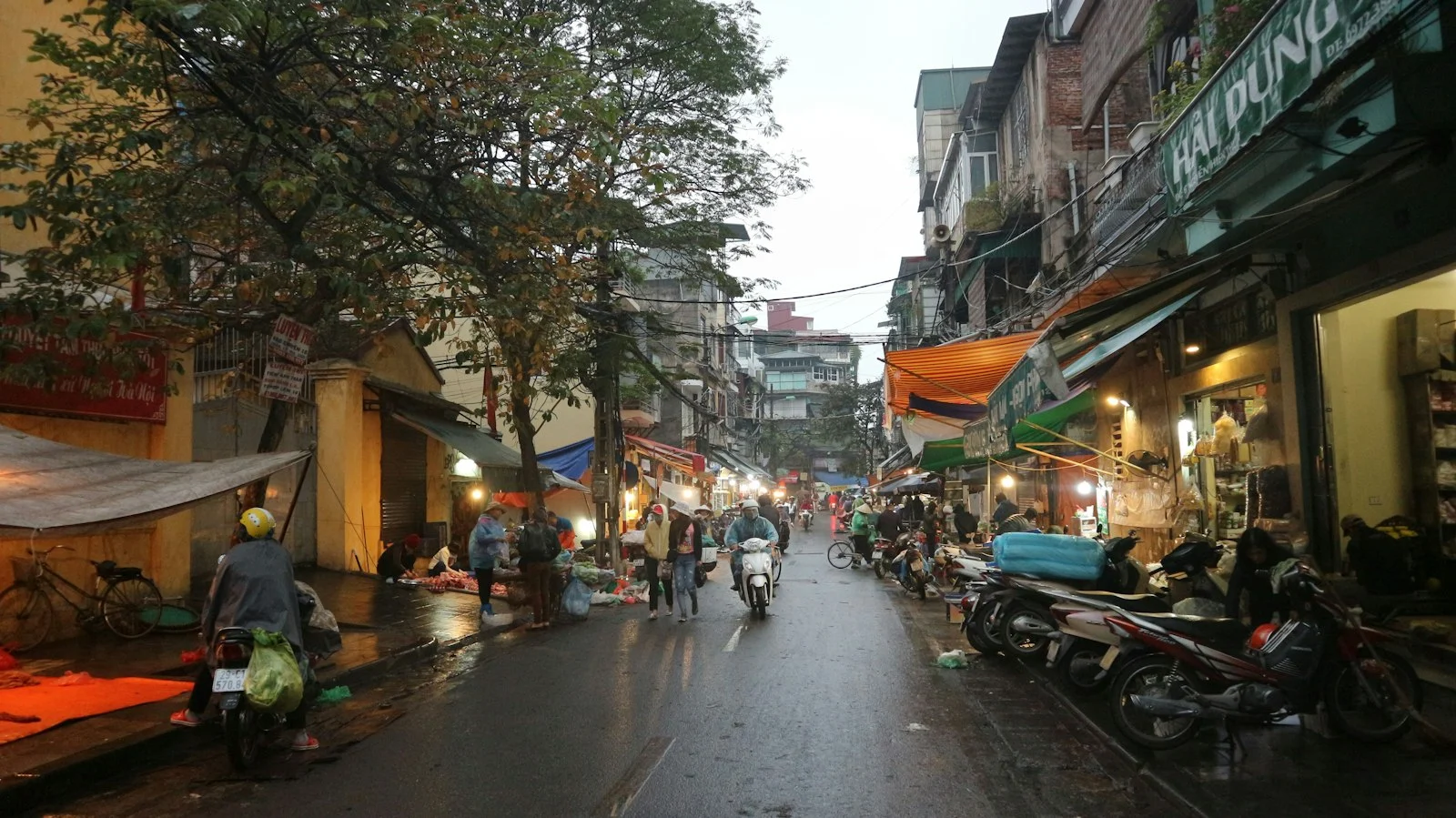
Illustrative Hanoi street photo: Rizki Oceano / Unsplash. It does not depict a Mr Tú vehicle or premises.


Comments