
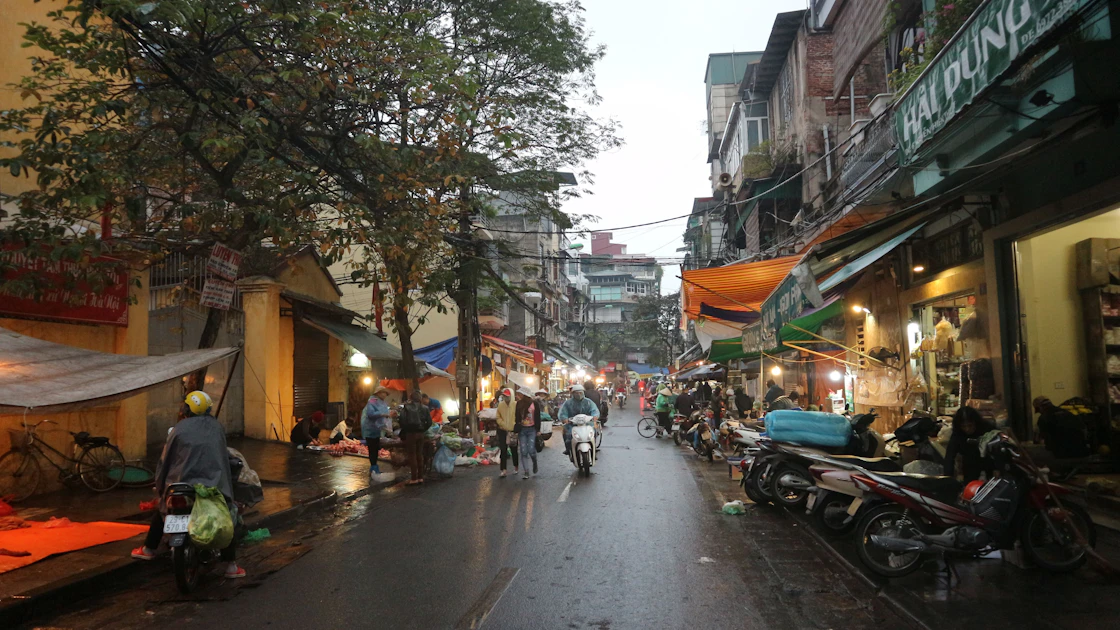
The phrase ‘new rider’ can describe three very different people: someone who has never controlled a motorcycle, a recently qualified rider with limited street experience, or a capable motorcyclist who has never rented in Hanoi. Only the latter two should even assess a self-drive rental, and legal eligibility, confidence and actual trip needs must come first.
This guide explains when a rental might help, when walking or a service with a driver makes more sense, and how to avoid treating a small-engine advertisement as a substitute for training.
Separate first-time rental customers from first-time riders
Table of contents23
An experienced rider may be new to rental paperwork yet comfortable with throttle control, braking and mirrors. That person needs to understand the handover, return time, security deposit and responsibility for the machine. Someone who has never learned to steer and stop reliably has a training problem, not a rental-shopping problem. Busy central Hanoi streets are not a suitable place to solve it. A third group has a driving licence but little current practice; their practical confidence deserves separate assessment. Clearly explain which group you belong to when asking for a vehicle. An advertisement claiming a scooter is easy to ride cannot resolve those different circumstances.
Legal entitlement must be settled before comparing convenience
Vietnam distinguishes vehicle classes and the legal conditions for operating them. For a qualifying moped, the law requires age, health, understanding of traffic rules and control skills; the minimum age is sixteen. Larger motorcycle categories require an appropriate licence and other conditions. Foreign customers should verify recognition of their documents rather than assume any international card applies. A business willing to rent is not a government authority certifying driving rights. If the situation is unresolved, do not ride on public streets. No advantage in price, time or freedom can compensate for a missing legal requirement. Examine the actual vehicle specifications instead of relying on its marketing name.
A person with no riding skills should not rent to practise
Learning to operate the throttle, apply the brakes, balance through turns and watch other road users requires an appropriate training environment. A rental bike hired for sightseeing is not a lesson with a qualified instructor. A busy junction can present several decisions before a learner has mastered even basic control. Wearing a helmet or choosing a smaller engine does not make first-time street practice appropriate. Use buses, walking or lawful driver-operated transport while arranging proper instruction separately. Do not pay for several rental days hoping confidence will appear after a few minutes on the road. The correct first step is acquiring skill, not collecting keys.
Having a licence does not guarantee confidence in Hanoi traffic
A recently qualified motorcyclist may be legally entitled to ride but feel overwhelmed by dense traffic, unfamiliar intersections and frequent changes of direction. That unease deserves attention. Consider whether you can brake smoothly, watch mirrors, react to pedestrians and read signs without losing control. If your attention is entirely consumed by managing the vehicle, you are unlikely to enjoy a sightseeing trip. A driver-operated service may be preferable until your practical competence is appropriate. Do not let friends pressure you into keeping up with a group of much more experienced riders. Legal credentials are necessary where required, but real competence matters too.
Experienced motorcyclists new to renting are better candidates
Someone who regularly rides an appropriate motorcycle, holds recognised credentials and understands traffic rules can examine a rental more realistically. Their task is to choose a familiar model, inspect brakes and tyres, confirm permitted use and understand the return process. Photograph existing marks and know whom to contact if the bike fails. A capable rider should still be prepared for Hanoi’s signs, traffic patterns and parking rules; experience elsewhere does not make every local route easy. Renting is worth considering when these preparations are manageable and the itinerary truly benefits from independent travel. Competence does not remove the obligation to follow the hire contract.
A 50cc advertisement does not make the bike suitable for everyone
The legal moped category depends on technical characteristics such as design speed and engine displacement or electric power. A marketing phrase saying 50cc is not enough to determine the actual classification. Under Vietnamese rules, eligible people aged at least sixteen may operate properly classified mopeds when they meet applicable health, knowledge and skill conditions. That is not an invitation for someone who has never learned to ride to practise in traffic. Small engines can still be difficult at busy intersections, and their carrying and long-distance capabilities have limitations. Ask about the precise model and your own legal position before considering a rental.
A recurring commute may justify keeping a vehicle available
Someone who travels frequently between accommodation, work and study locations may value deciding when to leave without ordering separate rides. But practical usefulness depends on recognised driving credentials, a suitable vehicle, a predictable itinerary and legal parking every night. Count actual days of use rather than assuming a monthly agreement will always be worthwhile. If the route is served by a convenient bus or operating urban rail service, compare the door-to-door experience. A newly confident rider should avoid making a long commitment before understanding the daily demands of the route. Independence should simplify an established need, not create an obligation to ride constantly.
An Old Quarter sightseeing trip may be easier without rental
Visitors staying near clustered attractions may walk between streets, cafés and landmarks without managing a motorbike. Narrow roads, vehicle restrictions and parking searches can reduce the value of renting. A traveller unfamiliar with local signs might spend more time worrying about navigation than enjoying the city. Sketch the full sightseeing itinerary and identify which locations are genuinely distant. A single booked ride can cover an occasional longer connection. If most of the day can be spent walking, a rental may add collection, deposit and return tasks without substantial benefit. A comfortable visit does not need to include motorcycle riding.
Several scattered appointments can strengthen the case for rental
A person with many destinations across different districts may benefit from leaving when each appointment ends. Having a bike available can reduce repeated booking steps. Yet every stop requires lawful parking and responsibility for the rented vehicle. Fuel, waiting at intersections and walking from a parking area also consume time. Compare the whole journey against ride-hailing or public transport rather than just the travel minutes shown on a map. The motorbike option is only relevant when the rider is legally qualified and competent. If those conditions are satisfied, real door-to-door time and the number of stops become useful decision factors.
Anxiety at intersections is a reason to reconsider
Feeling alarmed by busy junctions is not a test of courage that every traveller must pass. Anxiety can reduce attention, encourage sudden braking and make it harder to notice road signs. Even someone who knows how to operate a scooter in quiet conditions may not be prepared for heavy city traffic. If driving remains stressful, choose a vehicle with a driver or another transport method. Do not accept the claim that a lightweight scooter automatically removes those difficulties. Nobody needs to drive independently to prove that a visit to Hanoi was adventurous. An enjoyable, safe journey is the objective, not overcoming fear under unnecessary pressure.
Navigation is a separate demand from operating a motorcycle
An independent rider must identify one-way streets, restricted access, legal turning points and parking areas while controlling the machine. Before leaving, save the accommodation address and an appropriate route. If you need to check your phone, stop in a safe lawful place rather than handling it while moving. Travellers who cannot easily read Vietnamese signs can keep destination names written down for assistance. If navigation and riding together exceed your confidence, let a driver handle the route. Even competent riders can become distracted when switching between maps and traffic. Choose transport that leaves enough attention for the road and the purpose of the trip.
Secure parking at the accommodation is a practical requirement
Ask the hotel or host whether motorbikes may be parked, whether overnight access is available and if there are charges. A rental bike needs appropriate storage even on days it is not used. Never block a communal entrance or emergency exit simply because a legal space is inconvenient. If the hotel offers no parking, carrying the responsibility to find somewhere else each night may outweigh the advantages of rental. Keep the key, any agreed documents and parking receipts secure. For a multi-day contract, storage is a continuous responsibility. A regular rider with convenient parking has a stronger practical case for renting than one who must improvise every evening.
Weather can turn a good rental plan into a poor one
A dry morning may suit an experienced rider, while intense rain, flooding, low visibility and fatigue can make the same trip inappropriate. Never enter floodwater of unknown depth to get value from rental hours already paid. Visitors who are unfamiliar with local heat or sudden storms should allow rest time and protect documents. Keep an alternative route back to the hotel. A rain jacket helps under ordinary conditions but does not guarantee safety during severe weather. Suitability is not a permanent label: the right transport can change during the same holiday. Choosing a taxi when conditions deteriorate is a sensible adjustment.
Heavy bags and airport transfers often favour another mode
A small backpack may fit an appropriate scooter, while suitcases, camera equipment and heavy shopping can obstruct safe control. Do not hang loads on the handlebars or secure items where they affect balance, lights or visibility. For a hotel change or airport transfer, a driver-operated car may be more convenient even if renting a motorcycle works for light day trips. The itinerary can combine several methods without inconsistency. Check the specific vehicle’s actual storage and passenger limits before committing. A photograph showing a scooter with bags does not prove it can carry your own safely. The goal is appropriate transport for each journey.
A family or group should not require every person to ride
Several friends may have different levels of motorcycle experience. Every rider needs their own legal entitlement and sufficient skills; a competent friend’s licence does not cover the group. In traffic, an inexperienced member might take risks trying to keep up. Agree on meeting points rather than encouraging rushed riding. Families travelling with children, prams or many bags must also consider passenger and equipment rules. A suitably sized vehicle with a driver may make travelling together easier. Do not allow a desire for a group motorbike adventure to override the needs of the least experienced participant. Shared travel should remain safe for everyone.
Fitness, rest and concentration matter on the day
Legal permission is not the same as being physically and mentally ready to ride now. Sleep deprivation, excessive fatigue, problems with balance or reduced attention can make busy streets harder to manage. Travellers may become exhausted after several long sightseeing days or in unfamiliar heat. If a health condition affects fitness to drive, seek suitable professional advice. Even a skilled rider can choose public transport or a driver rather than push through exhaustion. Someone new to riding should be particularly cautious about limits they have not yet learned to recognise. The safest option may change from morning to evening as energy falls.
Breakdown support and permissible travel areas need clear answers
Before collecting a bike, ask whom to contact after a puncture, failed start or other fault, and how the agreed support works. A hire contract may limit destinations, distance or assistance outside Hanoi. Do not assume free rescue across Vietnam or immediate replacement with another model. Plan a backup way home if the scooter cannot be used. People new to renting should understand these procedures before considering remote journeys. If a trip includes unfamiliar intercity roads, a bus, train or properly operated transfer may be more practical. Rental suitability includes the ability to handle interruptions, not just confidence during normal riding.
A simple itinerary is not permission to learn in public traffic
An already qualified, experienced rider new to Hanoi can evaluate a straightforward route, lawful parking and familiar controls before attempting something demanding. Inspect the actual motorbike and be ready to stop riding if conditions prove unsuitable. This recommendation does not apply to a person who has never learned to operate a motorcycle. Such a person needs proper instruction in an appropriate place, not a short ride around a busy block. Avoid turning a rental into an unofficial driving examination. For a competent rider, planning a modest itinerary simply reduces complexity; for a genuine beginner, the required first step is training.
Compare the entire cost, not only a daily fee
For someone who may lawfully and safely ride, the budget includes a confirmed rental quotation, fuel or electricity, parking, delivery and applicable extras. A refundable security deposit is recorded separately as upfront funds rather than necessarily final spending. Compare these amounts with individual booked journeys and public transport for the same itinerary. Several days of keeping an unused bike may not be good value. The previous first-time rental costs guide explains the breakdown. No published example should be treated as Mr Tú’s current rate without a direct quote, and financial convenience never cancels legal or safety concerns.
A suitability matrix without misleading scores
Consider rental only when lawful credentials, genuine control skills, useful independent journeys and safe parking come together. Prefer not to self-drive when you have never operated a motorcycle, your documents are uncertain, traffic causes persistent distress or weather conditions are unsafe. Walking may suit nearby attractions; buses and rail may suit accessible corridors; a booked car helps with luggage and family travel. Do not calculate a total score where a low rental price offsets an absent legal permission. Some conditions are mandatory rather than preferences. Once those conditions are satisfied, weigh convenience, time and costs for the actual route.
Six questions to ask yourself before booking
Are you lawfully permitted to operate this exact vehicle? Can you control braking, throttle and turns confidently without improvising in traffic? Do you know the route and lawful parking points? How often will the itinerary genuinely need a personal motorcycle? What will you do if it rains heavily or the bike fails? Do you understand the deposit, return time, and responsibilities? An uncertain answer about law or basic control means you should not ride until the issue is resolved. The remaining questions determine whether rental will simplify the visit. A friend’s opinion cannot replace a realistic assessment of your own abilities.
Frequently asked questions from new riders
Can I hire a scooter to learn in Hanoi traffic? That is not an appropriate way to begin riding. I have a licence but have not ridden recently: is rental automatically suitable? No; practical ability matters. Is a bike advertised as 50cc suitable for everyone? No; actual legal classification, age, health and skill conditions still apply. Do I need a bike to explore the Old Quarter? Many nearby attractions can be visited on foot. Is rental always cheaper than taxis? Not without a comparison of actual trips. Should I keep riding in heavy rain because I paid? No; safety and a transport alternative take priority.
Conclusion: match competence, permission and need
A motorbike rental may serve someone who already rides confidently, is legally entitled to operate the offered vehicle, has useful independent journeys and can park and care for the bike. Someone who has never ridden should learn in a suitable setting rather than hire to practise on Hanoi streets. Walking, buses and driver-operated transport remain valid choices even for experienced people. For legal guidance, consult the Vietnamese Ministry of Public Security’s 2026 explanation of moped conditions and the road traffic safety law. Ask Mr Tú separately about current bikes and rental terms.
Transport comparison: pros, cons and alternatives to renting a motorbike for new riders in Hanoi.
If you decide to ride, start with the essentials of renting a motorbike in Hanoi.

Comments