
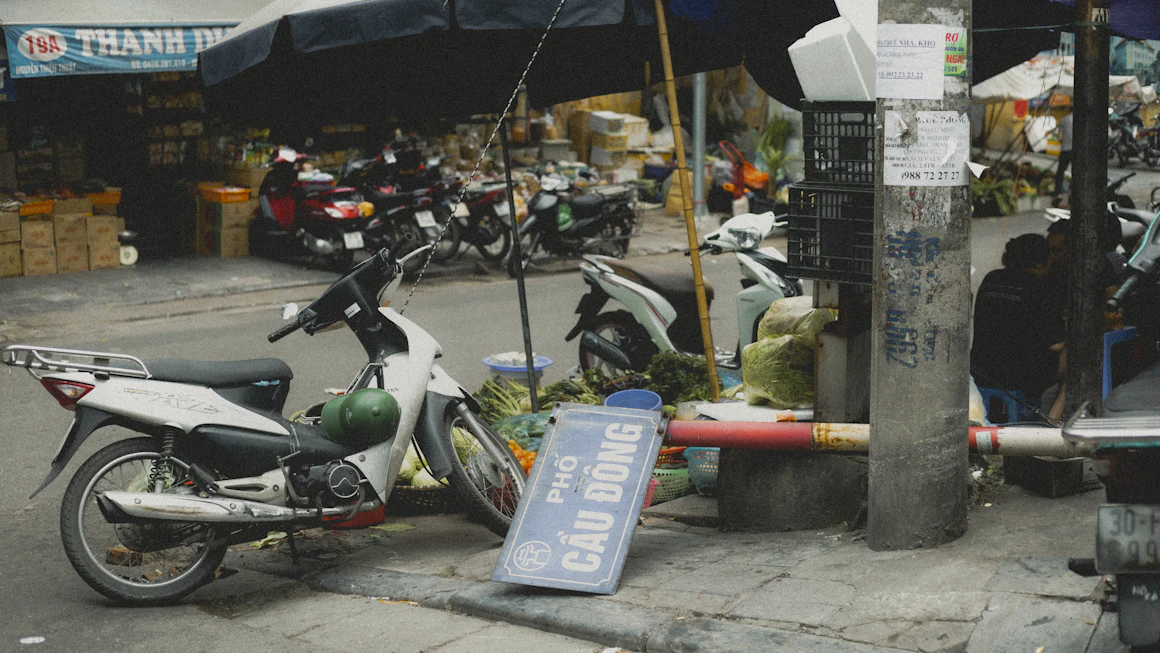
Two people travelling in Hanoi can share one suitable motorbike with one legally qualified rider and one passenger, rent two independent bikes if both are qualified, or use walking, buses, operating urban rail and transport with a driver. These choices differ in comfort, safety, luggage capacity, parking, weather exposure and total responsibility.
This guide compares their genuine advantages and disadvantages rather than claiming motorcycle rental is always cheaper or better. Actual hire charges, security deposits and services must be confirmed with Mr Tú for the specific trip.
Four realistic choices for two travellers
Table of contents22
Option one is a single motorcycle operated by a competent qualified rider with one passenger. Option two is a separate motorcycle for each person, which requires both to be legally entitled and skilled. Option three is a mix of walking, buses and operating rail connections, avoiding responsibility for a hired vehicle. Option four is a booked motorcycle ride with a driver or an appropriately sized car. The couple may use different choices on different days. Check the basic legal and safety requirements before comparing financial convenience; no low price compensates for an unqualified rider or an overloaded bike.
Advantage of one bike: a shared flexible schedule
When both travellers are visiting the same locations, one suitable bike allows a competent rider to leave on their schedule, pause for refreshments and rearrange the order of stops. It avoids booking an additional ride after each activity. There is only one motorcycle to inspect and store, potentially simplifying parking compared with two. But freedom is not unlimited: traffic regulations, one-way streets and legal parking still apply, and the passenger must be comfortable. If all attractions are a short walk apart, a rental may create more work through collection, deposit and return than it saves in journey time.
Advantage of two bikes: independent daily movements
A couple with different destinations and departure times may value keeping separate motorcycles. Nobody needs to wait for the other person to finish a class or meeting before travelling elsewhere. However, both riders must have valid credentials for their respective models and the experience to manage Hanoi traffic. The arrangement also means two vehicle handovers, two sets of equipment and potentially two parking spaces and refundable deposits. A person who cannot lawfully ride is not made eligible by sharing the rental bill. Before choosing two bikes, compare one bike plus public transport, since independent journeys do not always require two self-drive machines.
Advantage of changing plans without repeated booking
Having a bike available may make it easier to adjust a day with many scattered destinations. An appointment can finish early, or the couple can make an additional stop on the way home. Yet each new stop needs a place to park lawfully, and some narrow streets or restricted areas are inconvenient for motorcycles. Door-to-door time includes parking and walking, not only riding. A driver-operated ride might cover certain difficult journeys with less planning. The apparent advantage of flexible movement should be tested against the itinerary, rather than assumed from a photograph of a motorbike on an open road.
Passenger rules are a firm limit, not a pricing option
Article 33 of Vietnam’s road traffic safety law generally permits a rider of a two-wheeled motorcycle or moped to carry one passenger, with specific statutory exceptions. An ordinary two-adult booking therefore means one person drives and one sits behind, not two adult passengers behind a single rider. Both rider and passenger must wear compliant helmets with chin straps properly fastened. The motorcycle must also support the combined load. An additional rental payment cannot expand legal passenger capacity or manufacturer weight limits. Confirm the actual vehicle and seating before making plans that depend on sharing a bike.
A licence and ability are required for every person who drives
One qualified rider may carry a passenger on a suitable motorbike, but the passenger does not automatically gain permission to take over. If both travellers want to exchange control, each needs the appropriate legal entitlement, real riding ability and permission under the hire contract. International visitors should check Vietnam’s recognition of national and international licences for the motorcycle class concerned. Never swap drivers while the bike is moving. If the rider becomes tired and the passenger is unqualified, take a break or use another transport service. Two separate rentals likewise require each individual rider to meet the relevant requirements.
Carrying a passenger changes braking and handling
A motorcycle may respond differently with two adults, especially during low-speed manoeuvres, turns and braking. A rider accustomed to travelling alone should not attempt to learn essential passenger-handling skills at a crowded Hanoi junction. Inspect passenger footrests, the seat, tyres and brakes, and check the manufacturer’s load rating. Large luggage can increase difficulty and should not hang from the handlebars or obscure mirrors. A model that appears comfortable in a listing may not suit a particular couple. When handling or passenger comfort is doubtful, an appropriate car with a driver may be a far safer practical choice.
A passenger may find the ride stressful
The rider can enjoy independence while the person behind feels anxious about busy traffic, rain, noise or spending hours seated in the heat. Ask both travellers how they feel about the journey, the planned pace and rest stops. Comfort cannot be decided by the person holding the handlebars alone. Persistent anxiety or physical discomfort can turn a supposedly enjoyable rental into an unpleasant holiday. A car, bus or walking route might help both enjoy the destination. The preference to travel together is not proof that both people prefer the same vehicle, and a cheaper rate does not override either person’s wellbeing.
Weather and tiredness reduce the value of self-drive rental
Motorcycling exposes both people to heat, showers, low visibility and slippery roads. Heavy rain and floodwater of unknown depth are reasons to stop, not challenges to overcome to justify prepaid rental time. The passenger may become tired faster than the rider notices. Plan breaks and another way to return to accommodation if conditions deteriorate. A raincoat can help in ordinary weather but cannot guarantee safety during severe storms. Even a weekly motorcycle booking need not be used every single day. The best transport changes with conditions; the contract should not pressure anyone into continuing a dangerous journey.
Parking and responsibility continue when the engine is off
A rented motorcycle needs legal storage at the hotel and at attractions, including on days when it is unused. Ask about overnight spaces, access hours and possible charges. Two machines may require two spaces and additional coordination, which can be awkward around crowded sights. Do not block entrances, emergency access or prohibited sidewalks. Finding parking and walking from there can eliminate much of the time saved on the road. A couple concentrating on one compact part of the Old Quarter may prefer walking and occasional booked rides, avoiding the repeated task of securing a motorcycle at each stop.
The daily hire rate is not the complete budget
A quote may exclude petrol or charging, parking, delivery, late return or other charges that actually apply. A security deposit can be refunded under the agreed contract and should be tracked separately from spending, although the money must be available initially. For two motorcycles, list expenses and deposit for each bike rather than doubling a generic figure. Clarify permitted destinations and incident procedures. Do not attribute a rate or a free service from another shop to Mr Tú. Only a complete actual quotation can support a comparison against buses, taxis or booked motorcycle rides over the same itinerary.
Alternative: explore walkable neighbourhoods on foot
For restaurants, shops and sights grouped into nearby streets, walking avoids rental handover, storage, security deposits and parking. Travellers can stop whenever they like to look at a map or enjoy a café. Check safe crossing points, heat, the walking route and accessibility needs rather than relying on straight-line distances. A booked ride can connect the one or two distant destinations. A short Old Quarter visit may be more enjoyable with pedestrian exploration than constantly moving and parking a motorbike. Independent travel is not measured by the amount of time spent on a scooter.
Alternative: use buses where the route genuinely fits
Buses allow the couple to travel without operating or safeguarding a rental motorbike. They can be useful for recurring work trips or sightseeing when stops and schedules connect the right places. Include the walk to the first stop, waiting, transfers and the final section to the destination. Check current service information rather than trusting an old tourist diagram. If one traveller has a different daily schedule, public transport can combine with the other person’s motorbike without needing a second rental. It is also reasonable to ride a bus in one direction and book a car if heavy rain or new luggage changes the return journey.
Alternative: operating urban rail on relevant corridors
Urban rail may simplify a journey if a functioning line and its stations lie near the required start and finish. Do not treat a future proposed station as a current transport option. Include station access, waiting, any transfers and the final walk in the door-to-door comparison. For travellers who dislike operating a scooter in busy streets, this can be a valuable alternative. But urban rail cannot serve every district or address; it often works best combined with walking, buses or driver-operated transport. Its usefulness is determined by the actual corridor, not simply the availability of a railway somewhere in Hanoi.
Alternative: a motorcycle ride with its own driver
A driver-operated motorbike trip is distinct from renting a motorbike to ride yourself. The passenger does not have to store, refuel or return the vehicle. For two adults, do not assume they can both sit as two passengers behind one rider; separate lawful rides or an appropriate car may be required. Check booking fares, waiting and suitable passenger helmets. With heavy suitcases, severe weather or a strong preference to travel side by side, a car may be preferable. This option can simplify a couple of scattered trips without requiring a full-day rental, especially when one traveller is not licensed to operate a motorcycle.
Alternative: book a taxi or suitable car with a driver
A car accommodates the two travellers together and may handle luggage and adverse weather much better than a two-wheeled vehicle. They avoid responsibility for storing a rental motorcycle after arrival. Disadvantages include waiting, per-trip fares and possible access restrictions in narrow lanes. Sum all outward and return journeys and check actual prices before deciding that a taxi is more expensive. Airport transfers, hotel changes and journeys with multiple suitcases are particularly worth assessing this way. A couple can use a car for luggage days while choosing a completely different mode for a relaxed afternoon of walking.
Alternative: mix modes instead of making one permanent choice
The couple might walk around central sights on day one, use buses on a convenient corridor on day two, book a car for a hotel change, and only consider motorcycle rental for a day of many scattered appointments. This can avoid a vehicle remaining unused under a week-long agreement. The practical savings depend on actual quotations and rental flexibility, not a slogan about daily prices. Plan the itinerary first, then identify which segments need independent two-wheeled transport. The best mode for each journey can change with weather, luggage and each person’s comfort without making the overall holiday inconsistent.
A fair comparison starts with the same destinations
Make four columns: one suitable shared motorbike, two separate bikes, public transport combined with walking, and booked transport with a driver. Use identical dates, locations, bags and departure times. Record confirmed costs, parking, return obligations and weather exposure. Put refundable deposits in a separate initial-cash line. Eliminate any option that lacks a legally qualified rider, appropriate passenger capacity or necessary protective equipment before comparing prices. A low-cost option that is unsafe is not a legitimate winner. This approach produces a decision that reflects the whole journey instead of comparing one advertised daily hire rate against a single taxi fare.
Example: two visitors staying near Old Quarter sights
Two travellers have a short holiday and plan to visit nearby cafés and cultural attractions. Walking could cover most routes, with one booked car for a distant visit. A motorbike would add collection, deposit, parking and return tasks despite limited usage. If plans change to several scattered destinations and one person is experienced and legally qualified, a shared bike could be assessed again. It still needs two helmets and passenger comfort. The useful question is how many journeys actually benefit from the rental, not whether a shop offers a motorbike near the hotel.
Example: two people with separate daily workplaces
One traveller starts work early while the other attends lessons elsewhere in the afternoon. Two motorcycles might provide independence if both are competent, qualified and have safe parking. If the second traveller cannot legally ride, the second rental must be removed from consideration. A combination of one motorbike and public transport may be better, and a reliable bus or rail line could make both bikes unnecessary. Compare a full week’s real journeys and ask for flexible contract terms. A monthly discount cannot justify acquiring a bike that a person cannot lawfully operate or rarely uses.
Questions to resolve before paying
Will they travel together or separately? Is one bike sufficient or are two necessary? Who can legally and competently ride each model? Is the shared bike designed for a passenger, and are two proper helmets available? Do the people feel comfortable with the plan? Is there authorised parking, manageable luggage and a backup for rain or breakdowns? Have rental fees, refundable deposits, return times and permitted destinations been confirmed in writing? Legal permission and basic safety cannot be traded for a lower quote. Ask the actual provider for details rather than relying on advertising images or unsourced anecdotes.
Conclusion: different choices are appropriate for different days
One motorcycle can be useful for a qualified rider and passenger sharing several scattered journeys. Two motorbikes only make sense when both riders are eligible, capable and need separate trips. Walking, buses, operating rail and booked cars can reduce responsibilities and work better with luggage, rain or short city stays. For complementary comparisons, read the two-person suitability guide and the rental costs guide. Passenger limits are described in Vietnam’s consolidated road-traffic safety law. Request actual prices directly from Mr Tú.
Related guide: rental costs and safe luggage transport on a motorbike in Hanoi.
If one bike for two still makes sense, visit our Hanoi motorbike hire page.
Comments