

Renting a motorbike may make independent travel easier in Hanoi, but the phrase new rider can describe a confident motorcyclist who has never rented before or someone who has not yet learned to control a motorcycle. Those situations call for different advice.
This guide compares the genuine benefits of rental with its downsides and practical alternatives such as walking, buses, operating urban rail, driver-operated motorbike trips, taxis and proper rider training. A first-time learner should not use a rental bike to practise in busy public traffic. Actual prices and refundable deposits require a current quote rather than guesses.
The short answer depends on the rider’s real experience
Table of contents24
A capable motorcyclist with legally recognised credentials can consider hiring a familiar bike for journeys that really need independent movement. Someone who is merely new to a rental contract needs to learn handover, fuel, parking and return rules. A person who has never developed throttle, braking and steering skills should not hire a bike for sightseeing or practise among Hanoi traffic. A recently licensed rider with little current experience needs an equally realistic self-assessment. These groups should not be treated as if a small-engine model solved every concern. The first comparison is about whether self-driving is a legitimate, safe option at all.
Advantage: leave when the itinerary changes
A rented motorbike can allow a legally qualified, confident rider to leave a meeting when it finishes or stop at an unexpected attraction without arranging another pickup. For someone visiting several scattered places, this flexibility may be valuable. It also brings responsibility for finding legal parking and keeping keys and equipment secure at each stop. The rider still needs to obey restricted streets and traffic signs. Compare the overall convenience rather than the apparent freedom of having keys in hand. If road conditions are outside the rider’s ability, this advantage disappears. No schedule benefit should encourage a genuine beginner to drive without training.
Advantage: one vehicle can cover several everyday trips
A long-stay visitor who already rides competently may have a repeating commute and frequent errands. A rental can provide consistent access to a vehicle rather than repeated arrangements with drivers. But a monthly contract is not automatically economical: the vehicle may sit unused during rain or days spent working remotely. Secure overnight parking, fuel and the provider’s breakdown rules also matter. Count actual riding days and compare the complete arrangement against public transport and booked trips. Someone new to Hanoi traffic should not create a daily obligation to ride just because the rental period is long. Independence is helpful only when the routine genuinely calls for it.
Advantage: choose a type of vehicle you understand
Depending on actual availability, a provider may offer semi-automatic bikes, automatic scooters or certain electric models. A skilled rider can ask for a category whose controls, height and carrying capacity are familiar. However, the advertising photograph does not establish which model is available for the dates requested. The legal vehicle class must match the customer’s qualifications; a cheaper alternative may not be appropriate. Check brakes, tyres, lights and energy requirements. Do not accept an unfamiliar more powerful scooter simply because it is ready to collect. The value of choice lies in matching real rider ability and transport needs, not selecting the least expensive machine.
Advantage: plans with multiple destinations can be adjusted
A confident rider may enjoy changing the order of distant sights or appointments without relying on a driver’s availability at each stop. This can reduce booking steps during a full day. Yet every destination can add parking fees, time to walk from a parking area and responsibility for the bike while it is unattended. Some roads or areas may restrict access. A plan concentrated around the Old Quarter might actually be more flexible on foot. Mark each real journey and compare travel from door to door. Having a vehicle for an entire day is useful only if enough of that day requires it and the rider is competent.
Main drawback: beginners cannot safely learn in traffic
Someone who has never operated a motorbike needs structured practice in an appropriate environment, not an improvised lesson between buses and motorcycles. Judging speed, steering, braking and recognising hazards require skills developed before independent road use. A brief demonstration at collection does not replace rider training. A small engine or a helmet cannot eliminate the risk of a novice losing control at a junction. Use walking, public transport or a driver-operated service during the visit, and arrange instruction separately if learning to ride is the objective. The cost of that safer choice should not be compared as though untrained self-driving were a lawful or sensible alternative.
Legal drawback: a vehicle’s classification and the licence matter
Vietnam has specific legal rules for motorcycle categories. A properly classified moped has conditions that include a minimum age of sixteen, health, understanding road rules and control skills. Other motorcycles require the appropriate licence. Foreign visitors may also need to verify how their national or international driving documents are recognised for the offered class. A shop willing to hire out a machine does not certify the rider’s legal entitlement. An advertisement saying 50cc or no licence cannot answer every person’s situation. If classification or documents are unclear, do not self-drive until the relevant requirements have been confirmed.
Practical drawback: Hanoi traffic may be demanding
Even newly licensed riders who understand the basic controls can find busy junctions, turning vehicles and unfamiliar one-way streets mentally exhausting. If the rider becomes preoccupied with avoiding other vehicles, they may overlook pedestrians or signs. Persistent anxiety is a reason to choose a different mode, not a personal failure to overcome during a holiday. A smaller scooter does not remove difficult traffic decisions. Never let more experienced friends pressure a novice to keep up on the road. Competent riding involves awareness, restraint and choosing when not to ride. Driver-operated transport can free the visitor to focus on the destination.
Weather drawback: rain and fatigue change the calculation
A motorcycle exposes its rider to rain, heat and road surface conditions. Heavy rain, standing water of unknown depth, poor visibility or significant fatigue may make continuing unsafe, regardless of experience. Do not ride through floodwater to get value from prepaid rental hours. A raincoat helps with ordinary showers but does not guarantee safety under severe conditions. Visitors unfamiliar with Hanoi’s climate should leave extra time, take breaks and plan an alternative way back to their accommodation. A week-long rental does not mean the bike must be used every day. The best transport choice can change between a clear morning and a stormy afternoon.
Parking drawback: the responsibility follows the vehicle
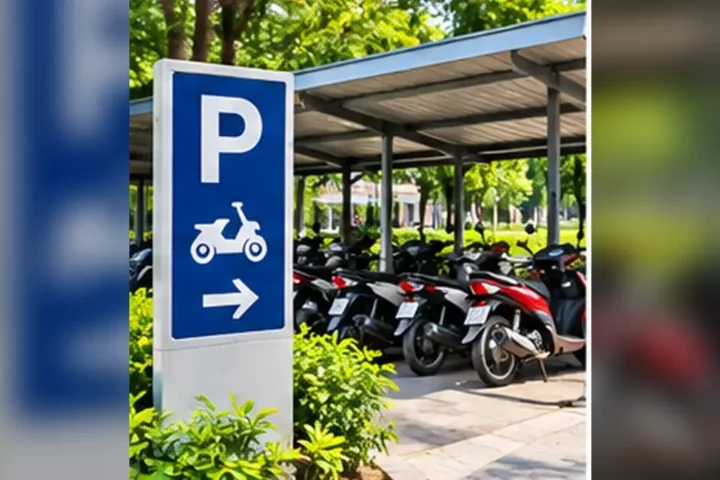
A hired bike has to be stored legally when the traveller returns to the hotel or walks around an attraction. Ask the accommodation whether motorcycle parking is permitted, when it is accessible and whether there is a charge. Finding a suitable place at each sightseeing stop also takes time. Do not leave the bike blocking entrances or emergency access. The rental agreement may cover the customer’s responsibility even on days without riding. If the visitor stays in an area where most destinations are walkable, managing a parked motorcycle can create more hassle than benefit. Include parking and vehicle security in any practical and financial comparison.
Luggage drawback: two wheels do not suit every load
A small backpack may fit an appropriate scooter, but suitcases, heavy shopping and delicate work equipment can interfere with balance and controls. Never hang bulky bags from the handlebars or obstruct lights and mirrors. Travellers changing hotels or arriving with airport luggage can use a car with a driver for those legs, even if another transport method makes sense later. Families should also evaluate passenger and helmet rules rather than assume a motorcycle can carry everyone. Groups with mixed riding experience should not force each person onto a bike. A hybrid itinerary can solve different problems without requiring one vehicle for every journey.
Financial drawback: a daily rental price is not the whole cost
Budget for the confirmed rental charge, fuel or charging, parking and any genuinely applicable delivery or return fees. A refundable deposit is separate from final spending but still requires upfront funds and clear inspection conditions. A new rental customer should ask for the exact start and end hours and any late-return policy. An attractive daily price may become less compelling when the bike is unused for part of a week. Never quote another provider’s numbers as Mr Tú’s current rates. For comparison with booked transport, use the same destinations and full day of journeys, not just one advertised fee.
Alternative one: walk between nearby Old Quarter sights
Walking is often easier than renting when the day consists of nearby cafés, streets and landmarks. It allows spontaneous stops without needing a parking space or vehicle handover. Visitors should still plan safe road crossings and consider heat, rain and mobility needs. Check a real pedestrian route rather than the straight-line distance on a map. A single longer connection can be completed with a booked ride instead of hiring a motorcycle for an entire day. For a true beginner without riding skills, walking removes the risk of operating an unfamiliar powered vehicle. A good visit does not depend on how many kilometres were driven.
Alternative two: use buses for a suitable corridor
A bus allows the traveller to avoid controlling a motorcycle in dense traffic and avoids nighttime responsibility for a rental bike. It can be useful when current stops and schedules serve both the starting point and destination. Calculate the walk to the stop, the wait, possible transfers and the final connection. Do not rely on an outdated map that assumes a service still operates. The bus may work for repeated commutes as well as sightseeing trips, especially when a single line fits the route. Combining bus travel with walking or an occasional booked ride is a practical way to avoid unnecessary self-driving.
Alternative three: use operating urban rail when it fits
Urban rail can simplify part of a journey if a service is operating on the corridor actually required. A future planned railway should never be treated as available transport. Check stations, opening times, transfers and the walk at each end. A seemingly quick train leg may not be the fastest door-to-door trip if the destination is far from a station. For an inexperienced rider, avoiding the need to steer through traffic may have significant practical value. Public transport does not need to replace all journeys to be useful. It can form the backbone of a commute with walking or a driver-operated trip for the last section.
Alternative four: a motorbike ride with a qualified driver
Travelling as a passenger on a properly operated motorbike ride is fundamentally different from renting one to ride yourself. The passenger does not need to manage the handlebars, store the bike overnight or return it under a rental agreement. Such trips can suit a solo traveller with light luggage and a small number of destinations. Fare and waiting time depend on the actual booking, so compare several real trips rather than a single hypothetical fare. Wear an appropriate passenger helmet and use a suitable lawful service. For intense rain, large luggage or a family, an enclosed car may be more practical. Do not confuse passenger transport with a self-drive permission.
Alternative five: taxi or booked car for groups and bags
A car with a driver often helps when people travel together, carry suitcases or need protection from bad weather. It reduces the need for each traveller to have motorcycle skills and avoids custody of a hired bike after arrival. Disadvantages may include waiting, separate fares for each leg and difficulty entering narrow lanes. Compare the actual return journeys and pickup locations. A family could use a car for an airport transfer and walking for a sightseeing afternoon, without any motorbike rental. When the traveller has never ridden before, driver-operated travel is not merely a backup: it is an appropriate way to move around while arranging proper motorcycle instruction separately.
Alternative six: get proper rider training before self-driving
If learning motorcycling is the real goal, seek an appropriate training setting and understand any legal prerequisites for the vehicle category. Instruction should cover control skills, braking, observation and how to react to hazards before independent road use. Do not interpret a low-capacity motorbike advertised for tourists as an informal driving school. The shop’s explanation of ignition and starting procedures is not sufficient training for city traffic. During this period, buses, walking and legally operated services with a driver remain valid transport options. Once competence and legal eligibility are established, the person can later assess whether a rental contract makes sense for ordinary journeys.
Compare options against one identical three-day plan
Write the same hotel, destinations and departure times into a table for each method. For rental, enter the real hire quotation, fuel, parking, delivery and separately the refundable deposit. For buses or rail, list ticket costs, walking links and waiting. For booked rides, include all outward and return journeys. Add luggage, weather, rider confidence and storage obligations. Do not invent prices merely to make rental seem attractive. If self-driving is not legally or safely possible, remove it from the viable choices before doing any arithmetic. A proper comparison asks what each method delivers over the full itinerary, not which advertisement begins with the smallest number.
Case study: two sightseeing days near the centre
Imagine a visitor staying for two days in a central hotel, visiting nearby markets, eateries and cultural sites. Walking may cover many journeys, with an occasional booked car or motorbike ride for distant attractions. A continuous rental adds collection, deposit, fuel, storage and return responsibilities. If the visitor has never ridden, the rental should not be considered a method of learning during the trip. For a competent, qualified rider, rental could still be evaluated if the itinerary includes several scattered destinations. The actual usefulness depends on the precise route rather than the number of available rental shops.
Case study: several months of commuting and appointments
A resident who confidently rides and has suitable legal documents might need daily trips between accommodation, work and other addresses. A rental could provide flexibility, but only if legal parking and reliable handover arrangements exist. Compare real riding days with the current bus or rail routes and booked journey costs. Ask what the monthly agreement covers, whether travel areas are limited and how faults are reported. Someone who lacks riding skills should not turn the pressure of arriving at work on time into self-taught road practice. They can use public transport and pursue proper instruction separately. The long duration does not cancel the underlying safety requirements.
Seven questions before entering a hire agreement
Are you lawfully entitled to ride the specific model? Do you already have safe control of throttle, brakes and turns? Is the itinerary more convenient with independent journeys? Can you park legally at the accommodation and destinations? Does the bike suit passengers and luggage? Is there a backup plan for heavy rain or breakdowns? Are the rental cost, deposit and return rules clear in writing? The first two questions are prerequisites rather than scores to offset with savings. Once those are satisfied, the others help evaluate whether rental genuinely reduces effort. Do not pay simply because a model looks beginner-friendly on a screen.
Frequently asked questions about the pros and cons
Is rental more flexible? It may be for an experienced, legally qualified rider making many stops. Is a 50cc bike automatically safe for someone who has never ridden? No; classification, knowledge and control skills still matter. Are taxis always more expensive? Not without a full itinerary comparison. Is a refundable deposit a final cost? Not if returned under the agreed conditions. Should a customer ride in heavy rain to use a prepaid week? No; safety comes first. Can public transport be enjoyable for tourism? Yes, especially if it removes parking and handover tasks. There is no universal winner across all travellers.
Final recommendation: match the travel plan to proven ability
Hiring a motorcycle can provide convenient independent travel when the rider already has the necessary skills, credentials and genuine repeated journeys. It also brings obligations to navigate safely, park legally, manage the vehicle and understand the contract. A complete novice should use other transport and learn in an appropriate setting rather than practise on busy Hanoi roads. For the separate suitability assessment, read who should consider a motorbike rental in Hanoi. Check current legal conditions using Vietnam’s official consolidated road-traffic law and request any actual prices or deposit terms directly from Mr Tú.
If renting is still your choice, see what Mr Tú offers for motorbike rental in Hanoi.

Comments