
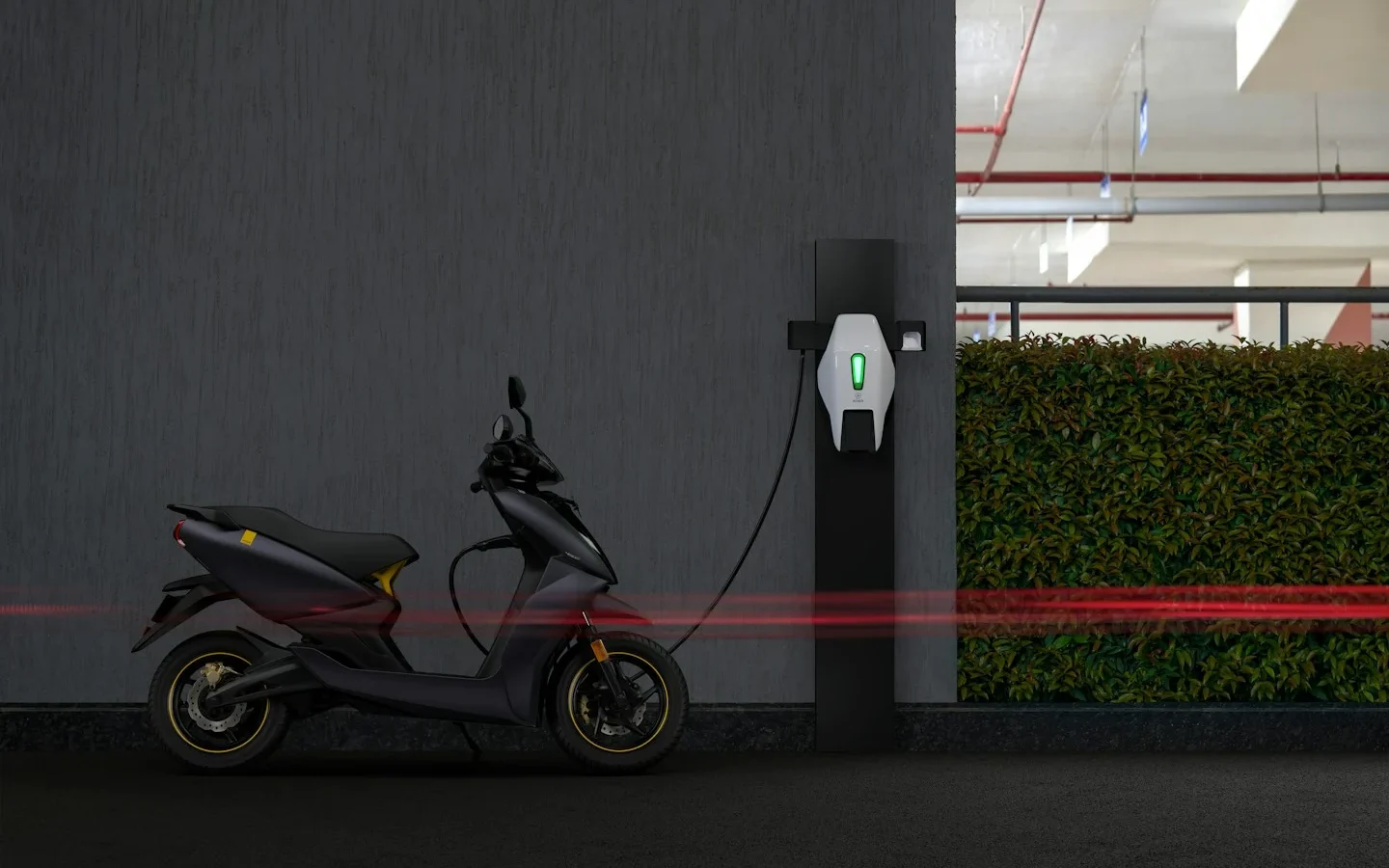
Renting an electric motorbike in Hanoi: rental costs explained. The first step is distinguishing an electric moped from a larger motorcycle or pedal-assisted bicycle, then checking a real vehicle’s power, documents, battery, charging and rental terms. No unverified price or stock claim is made.
What kind of electric motorbike is being rented?
Table of contents22
The phrase electric motorbike covers different vehicles in Hanoi. Some are electric mopeds, others are legally motorcycles, and pedal-assisted electric bicycles have separate classification rules. The correct category affects age, licensing, registration and road use. Before comparing prices, request the actual model, registration, rated motor power and design speed.
Under Vietnamese law, an electric moped must have a design speed no greater than 50 km/h and electric motor power no greater than 4 kW. Machines outside those limits may be subject to different rules. The official law text explains the distinction. This guide does not claim Mr Tu currently has a particular electric motorbike in stock.
Daily rental prices need a specific quotation
An electric scooter’s daily hire rate cannot be inferred reliably from its name, power rating or advertised purchase price. The amount depends on the actual unit, collection and return times, duration, condition and services agreed. Some businesses count days differently, so ask whether the charge covers twenty-four hours or another contractual period.
Request a written breakdown of hire, refundable deposit, confirmed delivery and return conditions. Ask if charging equipment is included and whether electricity is the renter’s responsibility. Do not copy a petrol scooter price or guess a fee for electric rental. Only a quotation for the specific vehicle and dates should be treated as confirmed.
Weekly rental versus occasional trips
A weekly rate may look attractive when divided into seven days, but it is only worthwhile if the vehicle is useful throughout the stay. A visitor spending most of the week walking around the Old Quarter may not benefit from holding a rented electric motorbike, especially when overnight parking and charging are inconvenient.
List the days and destinations on which you will actually ride. Compare taxis, public transport and an individual daily rental for those trips. Clarify early return and whether unused days receive any refund. A week-long contract also requires a secure place for the bike, keys and charger even on days without travel.
Monthly arrangements require battery terms
Someone commuting for several weeks may value an electric motorbike available at all times. However, a monthly contract should explain battery condition, permitted riders, maintenance, charging responsibilities and assistance when the vehicle will not start or fails to hold charge. These matters can affect reliability more than a small difference in nominal hire rates.
Ask who pays for charging, what happens if a charger breaks, who can repair the electrical system and what an early return means financially. Do not open or modify the battery yourself. If accommodation lacks an approved and safe charging place, a month-long electric rental may be impractical regardless of the quoted price.
Hire fees and refundable security deposits
The hire fee is the price paid for the agreed use of the motorbike. A security deposit may be returned according to the contract after the vehicle, charger, keys and accessories are inspected. A potentially refundable amount should therefore be kept separate from final travel spending, although it must be available at collection.
Ask for the deposit amount in writing, proof of payment, return timing and the circumstances in which deductions can occur. Photograph the motorcycle, displayed battery charge, cables and charger at handover. Do not make a transfer to an unverified recipient or hand over original identity papers under vague arrangements.
Hotel delivery and different return addresses
Delivering an electric motorbike to a hotel may require a separate arrangement for distance, timing, legal stopping and handover of equipment. Returning it somewhere else may have different conditions. The presence of an address or contact button on a website does not establish that every electric vehicle can be delivered throughout Hanoi without charge.
Mr Tu’s contact location for this website is 17 Phuc Tan, Hoan Kiem, Hanoi. Confirm whether a particular electric motorbike is available, the actual collection point, any delivery fee and whether the appropriate charger is included. Allow time for safety checks and explaining the written contract.
Electric mopeds, motorcycles and assisted bicycles
An electric moped is subject to the legal power and design-speed limits. A higher-powered electric motorcycle can require different licensing conditions. Electric pedal-assist bicycles have a separate legal definition involving the assistance cutting off when pedalling stops or the vehicle reaches the relevant speed threshold.
Do not rely on whether the bike has pedals, resembles a petrol scooter or carries a marketing label such as no licence needed. Look at documentation and the actual rated motor power and design speed. If the rental business changes the model between reservation and handover, check the classification and your eligibility again.
Minimum age and driving licences
Vietnam allows people aged at least sixteen to operate a legally qualifying moped, subject to health, road knowledge and practical ability. For an electric moped, motor power up to 4 kW and design speed up to 50 km/h are both important. An electric motorcycle outside that category may require an appropriate motorcycle licence.
The Vietnamese Government’s guidance on moped age explains the age rule. Riding eligibility is separate from a minor’s ability to enter a contract involving deposits and liability. Ask the provider about legal-representative requirements for renters under eighteen.
Registration and mandatory liability insurance
A motor-powered electric vehicle is not automatically exempt from registration or compulsory third-party liability insurance because it produces no exhaust. Ask which road documents accompany the exact vehicle and how to contact the provider if stopped for an inspection or involved in an incident.
Compulsory third-party insurance is not necessarily cover for every scratch, lost key, damaged charger or battery repair. Those costs and liability rules depend on the actual policy and contract. Keep photographs of the condition at handover and all payment receipts for a fair return inspection.
Do not assume a guaranteed battery range
Distance on a charge changes with battery health, load, terrain, riding style, weather and stop-and-go traffic. A new manufacturer’s advertised range may be measured differently from actual use by a renter in Hanoi. Even a displayed full battery does not guarantee the same distance on two different motorcycles.
Ask the provider for realistic guidance about the specific unit and leave a reserve instead of planning to exhaust the charge. Look at the route and available authorised charging locations before setting off. If your day includes many distant appointments, alternative transport may be more dependable than an optimistic range estimate.
Charging in hotels and rented accommodation
Not every hotel, guesthouse or apartment permits charging an electric motorbike on its property. Ask the accommodation operator before booking, including the approved location, permitted hours, electrical safety rules and whether an additional electricity charge applies. The existence of a wall socket does not automatically give permission to plug in a large battery charger.
Use the manufacturer’s appropriate charger and the rental provider’s instructions. Do not run cables across escape routes or use damaged adapters. If a charger smells burnt, overheats abnormally or a battery casing is swollen or damaged, stop using it and contact the provider rather than attempting repairs.
Charging time and full-day availability
Charging may take different amounts of time depending on battery size, the charger and battery condition. It would be misleading to promise a universal charging duration. A motorbike that comfortably handles a morning commute may still need charging before afternoon work if the actual itinerary is demanding.
Plan your day around lawful and safe charging access, not merely a battery percentage shown at collection. Consider whether you can return home between appointments and whether the accommodation allows charging at night. If the necessary schedule is impossible, a petrol bike with a suitable licence or a booked car may work better.
Removable versus fixed batteries
Some electric motorcycles have removable batteries, while others use fixed systems or proprietary replacement arrangements. A rental agreement does not automatically permit renters to remove, swap or charge batteries indoors. Incorrect handling or incompatible equipment can create safety risks and potentially contractual problems.
Ask which accessories are supplied and who is authorised to change batteries. Record the charger, keys, cables and any locking mechanisms at handover. Do not assume you can use any public battery-swap station; compatibility, authorisation and the provider’s policy need checking.
Electric scooters in Hanoi Old Quarter
Many Hoan Kiem attractions and cafés are close enough to reach on foot. Having an electric motorbike does not remove one-way restrictions, parking duties or areas where riding is limited. A quiet electric motor should never be treated as permission to ride on pavements or through restricted streets.
Map the destinations before hiring. If you are mostly walking around the Old Quarter and making one longer trip, public transport or a booked ride may be more practical. If several appointments lie across the city, an electric vehicle can offer independence when the rider is competent and the route fits the battery’s capabilities.
Daily commuting and university travel
Students and workers with regular routes should consider the round-trip distance, peak-hour traffic, number of actual riding days and where the machine will be stored. An electric moped can be convenient when legal parking and approved charging are available. Without those, daily logistics become a recurring problem.
Calculate the total using the confirmed hire rate, potentially refundable deposit, parking and electricity costs where applicable. Compare against buses rather than treating charging as completely free. For riders under eighteen, legal riding age and civil-law contracting requirements remain separate considerations.
Electric motorbike versus a petrol 50cc moped
A small petrol moped relies on fuel and engine maintenance; an electric moped relies on battery condition, suitable charging equipment and safe charging access. Both can fall within the moped category when they meet the applicable limits, but their real use and responsibilities are not identical.
See our 50cc motorbike rental rates and deposits guide for questions to compare. Do not assume an electric scooter is always cheaper or that a petrol moped always travels further. The individual vehicles, itinerary and confirmed quotations determine the decision.
Compared with Vision, Click, buses and taxis
Honda Vision and Click include models that fall into motorcycle rather than moped categories. A replacement petrol scooter may therefore require a different licence. Buses and taxis avoid the burden of charging a rented vehicle and are appropriate for travellers who cannot legally or confidently self-drive.
If the provider offers another model because an electric vehicle is unavailable, reassess the rider’s licence, skills, luggage and overall cost. A bus can be suitable for a regular route; a taxi may be useful during heavy rain or with several bags. No one option is universally best.
Inspecting the motorbike and charging equipment
Before handover, inspect tyres, brakes, headlights, turn signals, mirrors, horn, locks, stand and any warnings on the dashboard. Ask how the machine is powered on and off, which modes it has and how to charge it correctly. Examine the battery enclosure and charging socket externally without dismantling electrical parts.
Photograph existing scratches, battery percentage, charger and all accessories. Do not ride a machine with unsafe brakes, exposed wires, a damaged charging port or unusual burning smells. Request a proper repair or legally suitable alternative. Battery charge alone is no indication that the whole vehicle is safe.
Rain, flooding and charging safety
Electric motorbikes must be used within their manufacturer’s water-exposure limits. Do not assume an electric scooter can cross deep flooding merely because it can operate in normal rain. Wet roads also reduce traction and visibility for every two-wheeled vehicle.
Never use a soaked or damaged charger and do not charge in a wet, unsuitable location. If the bike has been immersed or develops an electrical warning, ask the rental company before further riding or charging. A taxi can be the safer choice in severe weather, even when rental days remain prepaid.
Long-distance travel and charging infrastructure
Trips outside Hanoi require realistic range estimates, charging access, route terrain and a clear breakdown plan. Charging infrastructure may not be compatible with every model. The rental agreement may also limit travel to certain locations. Paying for more rental days is not permission to take any vehicle into every province.
Tell the provider the destinations, approximate distance, rider and luggage. Ask whether assistance is available outside Hanoi and what happens if the battery runs low. Without dependable charging or support, a train, intercity bus or suitable car may make more practical sense.
The written rental agreement and FAQs
A useful contract identifies the actual bike, registration, riders, collection times, price, deposit, allowed travel area, charging accessories and battery condition at handover. Ask about late return, a lost charger, battery damage, mechanical problems and use outside the city before paying.
Common questions include whether charging electricity is included, hotel delivery is available, the vehicle is a moped or motorcycle, what licence is needed, when a deposit is returned and whether a correct charger is supplied. Answers should come from the actual vehicle and confirmed terms rather than guesses.
Before deciding based on the quoted price, read whether an electric motorbike in Hanoi suits your actual travel plans. It covers rider skills, daily routes, safe charging, parking and alternatives.
Conclusion and requesting a quote from Mr Tu
Electric motorbike hire can be useful when the person can legally and competently ride the specific vehicle, has safe parking and permitted charging, and plans routes within realistic battery capability. The quotation should separate rental, potentially refundable deposit and agreed extras. Stock, fixed prices and battery range must not be invented.
Contact Mr Tu through the site’s address, 17 Phuc Tan, Hoan Kiem, Hanoi, with your dates, proposed route, licence situation and access to charging. Ask for the available model, rated power, registration, charger and a written quotation before visiting. If the electric machine is unsuitable, use another lawful and safe transport option.
Comments