
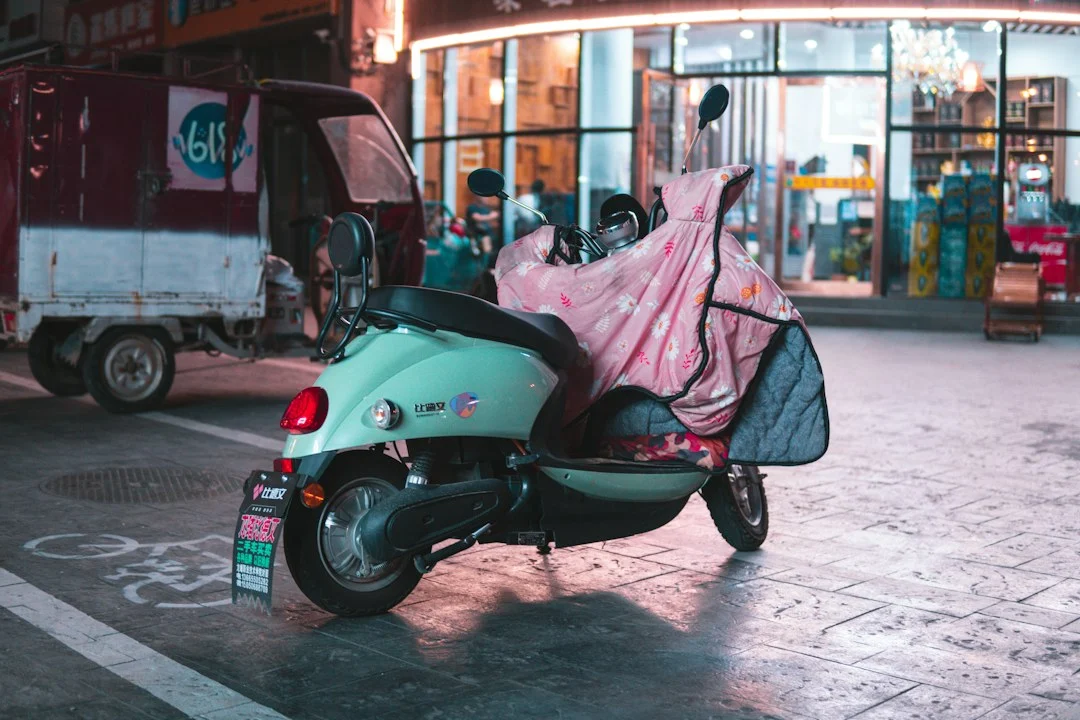
Is renting an electric motorbike in Hanoi worth choosing? Consider riding experience, legal class, battery range, parking and safe charging for students, workers and visitors before accepting a particular rental vehicle.
Is an electric motorbike the right choice in Hanoi?
Table of contents22
An electric motorbike can be useful for someone who already rides confidently, has several suitable trips and can charge the vehicle safely. It may be a poor match for a traveller who spends most of the day walking, needs to carry large suitcases or has no permitted charging location. The correct decision depends on the actual motorcycle rather than a general advertisement.
Start by checking rated power, design speed, registration, battery condition and controls. Under Vietnamese law, an electric moped has no more than 4 kW motor power and a design speed no greater than 50 km/h. Larger electric motorcycles may have different licence requirements. This guide addresses suitability; our electric motorbike costs and deposits guide deals with quotations.
Experienced electric two-wheeler riders
A person accustomed to electric throttle response, braking and battery indicators may adapt more easily to another electric two-wheeler. Still, the rental may have different weight, riding modes, dashboard warnings and charging procedures. Previous experience on one machine does not prove that every electric bike is safe or familiar to operate.
At collection, ask the provider to show how the actual model starts, powers down, locks and indicates battery problems. Inspect the braking response before setting out. Map important intersections and legal parking stops. If a vehicle feels difficult to balance or its acceleration is unfamiliar, request a suitable alternative.
Why complete beginners should avoid self-hire
The quiet motor of an electric scooter should never be confused with reduced driving responsibility. A beginner must still control balance, acceleration, braking, steering and distance from surrounding traffic. Electric motors can respond promptly to throttle changes, making untrained movements potentially dangerous at crowded junctions.
Hanoi’s busy streets are not an appropriate place to learn to ride a powered two-wheeler for the first time. Appropriate supervised instruction should come before road use. Until then, public transport, walking or a car with a driver lets somebody travel without attempting unfamiliar riding tasks.
Age sixteen and the correct legal category
Vietnamese law permits people aged at least sixteen to operate a qualifying moped when health, road knowledge and practical skill requirements are met. For an electric moped, motor output and design-speed limits both matter. An electric motorcycle outside the moped classification cannot automatically be treated under the same licensing exception.
The official text of Vietnam’s road traffic law describes the categories. Eligibility to ride is distinct from the ability of a minor to sign a rental agreement that includes a deposit and liability. Any necessary parent or legal representative involvement must be handled before handover.
School students on short daily commutes
For a student who is old enough, has adequate riding skills and follows a suitable daily route, an electric moped could be convenient. But the school must allow parking and the household needs an approved way to recharge. The age threshold alone cannot show that the student is ready for heavy traffic at school closing time.
Families should check crossings, lighting and roads that become slippery in the rain. A direct bus service may be simpler than a rental requiring care of the keys, charger and battery. For students under eighteen, the written rental and payment arrangement also requires separate attention.
University students with mixed schedules
University students may travel between classes, libraries, part-time jobs and accommodation. A suitable electric vehicle can offer some independence when timetables change. Yet the benefit depends on the real route and access to safe parking at every stop, rather than an advertised battery range under ideal conditions.
Before signing for a week or month, count the days the motorbike will be used. Check whether dormitories or rented rooms permit overnight charging and who pays for electricity. Compare the full costs and time commitment with nearby bus routes. A vehicle parked unused most days may not be good value.
Employees commuting to the same office
A predictable home-to-work journey makes estimating battery needs easier than an improvised tour. An electric moped may fit when the round trip is comfortably within the actual bike’s range and the rider has approved parking and charging access. However, overtime or unexpected appointments can change the distances.
Add the return journey, detours and a reserve rather than assuming the battery will last exactly as advertised. The actual age of the battery, route gradients and traffic influence consumption. If the workplace and accommodation both lack a suitable charging location, another transport method may be more practical.
People making several client visits
For someone whose job requires visiting scattered shops or clients, the freedom to change departure times may be valuable. An electric motorbike can offer this independence without having to book a car at every stop. Yet repeated journeys and parking searches require extra time and energy, so the schedule must be realistic.
Check actual daily kilometres, the number of stops and whether the vehicle can recharge during work. Include the return route even after unexpected calls. If heavy tools or samples are needed, inspect load limits and consider a car. Being electric does not mean every bike is suitable for carrying work equipment.
Old Quarter visitors and walking tours
Many cafés, shops and landmarks around Hoan Kiem and the Old Quarter are close enough to combine on foot. A rented motorbike must still follow one-way streets and parking restrictions. Looking for a place to leave it may create more work than walking directly between nearby attractions.
Consider public transport or a booked ride for one distant destination. If the itinerary covers several districts, self-drive might be useful for somebody experienced, legally eligible and able to charge the bike. Choose based on the actual day, not simply to try an electric scooter for its novelty.
International travellers unfamiliar with Hanoi
Foreign visitors should understand local signs, helmet rules, traffic patterns and the vehicle’s legal category before riding. An electric moped and a higher-powered electric motorcycle are not necessarily subject to the same driving-licence conditions. A product label such as electric scooter does not resolve the issue.
Ask for instructions on charging, unlocking, emergency contacts and the geographical limits of the rental. If the provider offers a substitute with different power, confirm your entitlement again. When the rider has little experience in dense urban traffic, a car with a driver is often the more comfortable choice.
Hotel, guesthouse and apartment charging rules
Suitable accommodation is one of the most important conditions for a successful electric rental. Some hotels, guesthouses and apartment buildings do not allow charging in guest rooms or corridors. The presence of a socket does not mean the renter may use it for a vehicle battery without permission.
Ask where charging is allowed, when it is available, how electrical charges are handled and what fire-safety procedures apply. Use the correct charger without damaged plugs or cables blocking exit routes. If safe permitted charging is unavailable, reconsider the electric bike before paying a deposit.
Real range is more important than brochure figures
Battery range depends on battery age, load, gradients, speed, weather and repeated stops. A manufacturer’s figure may come from favourable testing conditions rather than a used rental in Hanoi’s traffic. A full battery icon also does not guarantee that two different vehicles will travel the same distance.
Request realistic guidance for the exact machine, leave a sensible charge reserve and identify suitable charging opportunities. Do not schedule a distant meeting based on an unverified distance claim. If a route cannot be supported reliably, public transport or a suitable petrol vehicle with the right licence may be preferable.
Hills and intercity journeys require a new plan
An electric moped that works for urban errands may not be appropriate for long intercity trips, steep slopes or isolated roads. The total distance and route terrain are only part of the problem: charging compatibility, permitted travel areas and assistance in case of breakdown also matter.
Tell the rental business your destination, estimated distance, baggage and intended drivers. Confirm whether travel outside Hanoi is permitted in the agreement. If charging or support cannot be arranged reliably, a train, intercity bus or vehicle with a driver is a safer alternative to stretching a battery beyond its useful range.
Riding with a passenger or large luggage
A two-wheeled electric motorcycle should not automatically be assumed suitable for two adults and several suitcases. Permitted passenger numbers, load capacity, seat design and footrests must be checked for the actual vehicle. Greater load may alter acceleration, braking and the range available between charges.
Do not hang heavy bags from the handlebars or obstruct control movements. The rider must be capable of handling an authorised passenger and both need appropriate protection. If travelling with large luggage or young children, a vehicle with luggage space may be more comfortable and practical.
Rain, flooding and electrical safety
An electric motorbike may be built to tolerate ordinary rain, but that does not establish that it can pass through floodwater of unknown depth. Water can affect electrical components, while wet roads reduce tyre grip and visibility. Severe weather may make a hired scooter unsuitable for an important journey.
Never plug in a wet or damaged charger. If the bike has been immersed or shows an electrical warning, stop and ask the rental provider before charging or riding again. A taxi is a valid alternative on dangerous weather days even when a multi-day motorcycle hire has already been paid for.
Electric moped versus electric motorcycle
The legal categories must be distinguished with actual technical data. Electric mopeds have the statutory 4 kW motor-power and 50 km/h design-speed limits. Other electric motorcycles may require different driving licences and age conditions. Pedal-assisted electric bicycles form another group and should not be mistaken for the same vehicle type.
The physical size, seat or lack of petrol exhaust does not determine legal eligibility. Review the actual registration and specifications. If the business switches models at handover, ask for a revised assessment of the rider’s licence and a separate quote before accepting the replacement.
Electric power versus petrol 50cc scooters
A petrol moped needs fuel and engine upkeep, whereas an electric moped relies on battery health, a compatible charger and approved charging access. Neither is universally cheaper or better for every route. For someone who cannot charge at accommodation, petrol may be easier; for someone with reliable permitted charging, an electric model could be convenient.
Compare confirmed rental quotes for the actual vehicles, including parking, fuel or electricity and time spent organising charging. Our 50cc petrol moped pricing guide provides relevant questions. Avoid treating theoretical range or running cost as a guarantee.
Buses and taxis as useful alternatives
A city bus may work well for predictable school and work routes without requiring a rental, maintenance or overnight charging. Taxis can be more suitable for heavy luggage, rain or travellers without the skill to self-drive. An electric scooter provides flexibility only when legal eligibility, parking and charging all fit.
Compare a full week of travel rather than just one bus fare with a daily rental rate. Include waiting, walking, parking, a potentially refundable deposit and any confirmed charging expense. The best transport option changes with the passenger’s route and skills.
Inspecting the motorcycle before collection
Check tyres, brakes, lights, indicators, mirrors, horn, stand, lock and dashboard warnings. Inspect the battery case, charger and charging connector from outside without dismantling them. Ask for a demonstration of the start procedure, power-off method and low-battery indicators for the actual version.
Photograph existing scratches, accessories, keys and the displayed charge level. If there are exposed wires, defective brakes, a damaged port or an unusual burning smell, do not ride away before repair or an appropriate replacement. A fully charged battery does not guarantee that the vehicle is mechanically safe.
Contract length, deposit and emergency support
For a short visit, collection, charging and return logistics can outweigh the convenience of hiring. A longer-term rider needs clarity on battery faults, maintenance, approved riders, early return and lost charging equipment. The contract should identify the real motorcycle, allowed travel region and contact for assistance.
A security deposit may be refundable under the agreement but still requires money at handover. Do not assume a fixed rate, free hotel delivery or a guaranteed replacement without confirmation. The electric rental cost guide explains how to request these details separately.
A decision checklist before reserving
Ask whether the rider is legally eligible and has genuine experience. Is the machine an electric moped or motorcycle, and are its documents clear? Can it cover all planned trips with a safe battery reserve? Is lawful parking available, and does accommodation explicitly allow charging? Are passengers, luggage and weather within the realistic plan?
If any essential answer is unknown, resolve it before paying. Avoid claims that every electric scooter needs no licence or travels a promised number of kilometres. Ask the business to describe the exact model, charger and contract, with a clear process for battery or mechanical problems.
Before booking, also read our electric motorbike alternatives comparison for Hanoi, including petrol mopeds, Honda Vision, Click, taxis, buses and charging limitations.
Conclusion: who benefits and who should look elsewhere
An electric motorbike can fit a legally eligible, confident rider making appropriate journeys with reliable parking and safe charging. It may not suit beginners, sightseeing entirely on foot, large luggage or journeys beyond dependable charging opportunities. The decision should be based on the actual bike, route and practical constraints.
Mr Tu’s contact point on this website is 17 Phuc Tan, Hoan Kiem, Hanoi. Enquire about the available model, rated power, technical condition, charger, collection times and written quote. This article does not guarantee inventory, a price or battery distance. Choose a bus or booked vehicle if those offer the safer solution.
Comments