
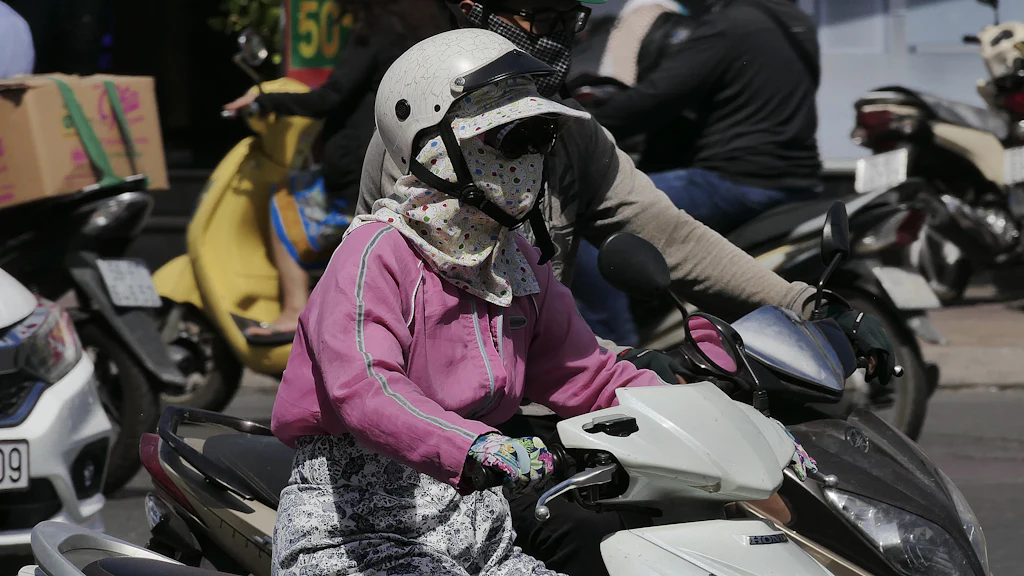
Is renting a motorbike for a regular commute in Hanoi actually worthwhile? The answer depends less on a striking headline price and more on your working pattern, legal eligibility, confidence in local traffic, parking arrangements and ability to manage a hired vehicle. This guide is designed to help commuters decide whether a rental suits their circumstances, rather than repeat the pricing breakdown in our separate cost guide. It examines office workers, shift workers, temporary residents and people travelling between different sites. No availability, delivery or price is guaranteed without direct confirmation from Mr Tú.
A direct answer: when does a rental make sense?
Table of contents22
A rental may fit a worker who travels frequently, has a lawful and safe place to park, meets the licensing rules for the specific vehicle and finds public transport inconvenient for the actual route. The case becomes stronger when the working day involves several addresses or unpredictable finishing times. It becomes weaker when the workplace is close enough to walk, a direct public transport line works well or the rider is not comfortable operating a motorbike. Independence is useful, but it is not a substitute for legal eligibility, physical readiness or a reasonable contingency plan.
Seven questions to ask before choosing a motorbike
How many days each week will you really commute? Can you park legally at both ends? Are the departure and return times suitable for riding safely? Does your licence cover the precise vehicle? Can you cover the agreed hire and deposit without compromising essential expenses? What will you do when it rains heavily or the bike cannot be used? Finally, do you need to visit several workplaces in a day? Write the answers down. A decision based on concrete circumstances is more reliable than an instant booking made because the description says ‘cheap motorbike rental’.
Office staff with a fixed daytime schedule
Someone working at the same office every weekday should focus first on the complete door-to-desk journey. Check whether a bus or urban rail service conveniently covers the route, how long it takes to reach a stop and whether switching services is practical. For a rented scooter, consider the time spent getting the bike out, travelling, finding a parking space and walking into the building. When the two journeys are similar, not having to ride in dense traffic may be an advantage of public transport. Try the route during working hours rather than trusting a quiet-hour map estimate.
Early starts, night shifts and irregular hours
People working outside standard office hours sometimes value the flexibility of their own transport. However, a motorbike is only a useful option if the journey and the parking arrangements are safe at those times. Check whether the workplace car park can be accessed after a night shift, and whether you can take a well-lit and familiar route home. If fatigue is a recurring issue, riding after a long shift may be unsuitable. Build another transport option into the plan for severe weather, illness or unusually demanding workdays. Convenience should not be achieved by accepting avoidable safety risks.
Jobs involving several addresses
A consultant, field representative or employee visiting multiple workplaces may find a two-wheeler helpful because each additional trip is under the rider’s control. Still, list the planned stops before deciding. Some offices have inconvenient parking, certain streets have vehicle restrictions and carrying bulky equipment may be unsuitable on a small motorbike. Check the rental contract for permitted use; do not assume that a personal rental automatically allows commercial delivery, paid transport or unrelated business activities. The advantage comes from a practical itinerary with safe parking and a rider who can operate the vehicle confidently.
New residents and first-time visitors to Hanoi
Renting temporarily can help someone who has just moved to Hanoi learn whether a motorbike would fit life in the new neighbourhood. But unfamiliar roads, changing traffic patterns and limited experience in Vietnam call for care. Learn the route before setting out, understand the road signs and avoid challenging journeys until you are confident and legally entitled to ride. An international licence or a foreign driving licence should not be assumed valid without checking the applicable rules. When in doubt, start with public transport or a vehicle with a professional driver rather than using rental time to learn basic riding skills.
Interns, part-time staff and students with jobs
A person working only two or three shifts a week may not need continuous access to a motorbike. Lessons, internships and changing rotas create large gaps in usage, while a rental agreement may continue to run. Compare the amount of use with walking, cycling, buses and journeys booked individually. Younger riders also need to check age limits and vehicle classification carefully. A label such as ’50cc’ does not establish every legal requirement on its own. The right decision may be a short trial or no rental at all until work attendance becomes regular enough to justify the extra responsibility.
There is no magic commuting distance
A five-kilometre trip can be frustrating when it involves difficult junctions, a restricted street and poor parking. A longer but predictable trip may be easier for someone already comfortable riding. Distance is therefore only one variable. Evaluate the real journey time, number of stops, road conditions, parking access and the effort involved after work. Test more than one lawful route if possible. If the trip leaves you exhausted or anxious every day, the independence offered by a rental may not compensate for that burden. The safest sustainable method is often the most appropriate.
Parking at home and at work can change the answer
Ask whether the workplace accepts motorbikes, whether spaces need registration and whether the parking area closes before your shift ends. At home, check that a secure, authorised space is actually available. Do not assume that a courtyard, shared doorway or emergency access route is an acceptable storage place. Repeatedly searching for somewhere to park adds time and uncertainty to every shift. For a hired vehicle, you also need to understand responsibility for loss and damage under the written agreement. A lack of safe parking may outweigh the appeal of having the bike ready whenever you wish.
Licensing and the correct vehicle class
Vietnamese traffic law distinguishes mopeds and motorcycles, with rules depending on the actual design and technical characteristics of the vehicle. Government guidance describes legal categories and rider ages; the word ’50cc’ on an advertisement does not substitute for the relevant documents. Motorcycle riders must meet the requirements for the class they operate, and overseas driving documents need individual verification. The 2026 consolidated Road Traffic Order and Safety Law is an official point of reference. If you are not legally eligible, the correct decision is not to rent that class of vehicle, regardless of how convenient the commute would be.
Manual, semi-automatic, automatic and electric options
The best vehicle is one you can control comfortably and legally, not necessarily the model with the largest engine or most storage. A familiar semi-automatic machine may suit an experienced rider; an automatic scooter may feel simpler during repeated stops. For electric options, assess realistic battery range, safe charging access and the legal vehicle category. Sit on the model if the operator allows it and check the seat height, brakes, weight, mirrors and storage. Avoid choosing a vehicle for its photograph alone. Operating an unfamiliar bike in busy traffic is not a sensible first-day experiment.
Rain, heat and carrying work equipment
A motorbike exposes the rider more directly to weather than an enclosed vehicle or an indoor transit system. If you regularly carry a laptop, documents or delicate equipment, plan how to protect them from moisture and how to secure them while parked. Severe rainfall, flooding and poor visibility may make riding unsafe; hire fees already paid are not a reason to continue. Hot and humid conditions can also make frequent trips tiring, especially with formal clothing. A realistic suitability check includes the difficult days as well as pleasant weather. Keep an alternative journey available when conditions change.
Will the rental genuinely save time?
Measure the full trip from leaving home to arriving at the workplace, rather than comparing road travel alone. For a motorbike, include taking it from storage, preparing your helmet, riding, parking and walking. For a bus or train, include reaching the stop, waiting and transferring. The outcome may differ significantly by route and time of day. Even if a motorbike sometimes arrives earlier, consider whether the difference is worth the concentration and responsibility involved. A rental does not guarantee bypassing Hanoi congestion or arriving on time during the morning rush.
Rent first to test whether you would buy
New employees or recently relocated residents sometimes rent before purchasing a vehicle. This can be a sound way to discover preferred seat height, control layout, parking needs and commute comfort without committing to ownership immediately. Set a clear purpose for the test and compare several normal workdays rather than judging after one unusually easy journey. Do not use an unfamiliar rental to practise basic riding in difficult traffic or operate a class for which you are not eligible. After the trial, also consider ownership obligations such as maintenance, registration and secure storage.
When should a worker avoid renting?
It is generally unwise to rent a motorbike when you lack the necessary riding eligibility, cannot operate the vehicle confidently, have no permissible parking arrangement or regularly finish work too exhausted to ride safely. A person travelling only a few times a month may not gain enough benefit from a longer contract. Someone whose deposit would severely disrupt their essential living budget should review the timing and terms carefully. Jobs involving heavy or awkward loads also require another transport plan. An offer can be legitimate and competitively priced yet still be unsuitable for your life.
What support would you need from the rental provider?
A technically suitable motorbike is only part of a workable commuting arrangement. Find out whom to contact if it fails to start, develops a tyre problem or needs servicing. Ask about the operator’s real working hours, supported areas, permitted repairs and any replacement arrangement. Do not assume there is 24-hour roadside rescue or a free replacement bike unless those services have been specifically confirmed. Workers with early or late shifts should be especially careful about contactability. Inspect essential controls and make sure the supplied paperwork and handover conditions are documented before taking possession.
A simple one-week evaluation method
Keep a seven-day diary of commuting needs, whether or not every day involves a rental. Record the number of journeys, door-to-desk time, weather, parking difficulties and how tired you feel afterward. Include the days you would have preferred another mode of transport. If a short legal rental is available, test the vehicle on typical working days rather than only on a relaxed weekend. At the end of the week, decide whether the amount of real use justifies managing the hired vehicle. Repeated observations are more useful than a first impression formed during a single pleasant ride.
A practical suitability matrix for common situations
Fixed office job with a direct convenient public-transport route: compare non-riding options first. Rotating shifts with safe parking and a legally eligible, confident rider: a rental may deserve a trial. Several addresses each day with light belongings: compare a rental with ride-hailing. Newcomer unfamiliar with Hanoi traffic: prioritise learning the route and reviewing legal conditions before riding. Part-time worker with only occasional shifts: consider shorter bookings or transport by journey. These are starting points, not guarantees. Personal circumstances and the actual contract always decide.
Suitability is different from the price quotation
This article answers whether a motorbike would improve your commute, not what a particular scooter costs today. Once you know you are a suitable rider with a workable route and parking, request a quote spelling out the rental period, vehicle class, deposit, fees and handover conditions. Do not copy prices from another rental company or confuse an online example with confirmed inventory. See our separate guide to motorbike rental costs for commuters in Hanoi for budgeting and contract questions. Separate articles serve distinct search intentions.
Frequently asked questions for commuters
Is a scooter appropriate for a first job in Hanoi? Possibly, if the rider meets legal conditions and has a safe, regular route. Should I rent monthly for only three shifts a week? Assess actual use and contract flexibility first. Can someone without a motorcycle licence rent a ’50cc’ bike? The vehicle classification, age and applicable rules must be checked rather than guessed from advertising. Is riding always faster than the bus? No; the answer depends on traffic, parking, walking and transfers. What if my workplace has no parking? Resolve a lawful parking plan before renting.
Contacting Mr Tú with a useful request
Mr Tú’s website provides information about motorbike rental around Hanoi’s Old Quarter. When you enquire, describe the intended dates, shift times, route, lawful riding category and desired handover area. Ask the operator to confirm vehicle availability, the exact meeting point, opening hours and agreement terms. A stock photograph or an online article is not proof that a particular model is ready, nor does it establish free delivery. A precise enquiry gives both parties a better chance of choosing a suitable arrangement. Consider a flexible initial term if your working routine has not yet settled.
Conclusion: choose the route before the bike
Regular commuters should start with the journey, not the rental advertisement. Riding can be a sensible option for someone who uses the bike often, is legally entitled to operate it and has safe parking at both ends. It is less compelling for an inexperienced rider, an occasional commuter or someone served well by a simple bus or rail trip. Try a lawful short-term arrangement when possible, observe the difficult days and review support and contract terms before committing longer. An appropriate choice is one that remains practical, safe and predictable throughout the working week.
Official legal source: 2026 consolidated Vietnam road-traffic law. Enquire at Mr Tú Hanoi.
Related comparison: pros, cons and alternatives to renting a motorbike for work in Hanoi.
Comments